

US Vice President JD Vance said that the agreement included Israel and Lebanon, contradicting Israeli Prime Minister Benjamin Netanyahu, who said on Monday that Israel is not bound by it and will not withdraw from southern Lebanon.
A Hezbollah spokesperson told Reuters the group believed Iran would not agree to a permanent truce if the Israeli occupation was not ended. Iran’s military command, Khatam al-Anbiya Central Headquarters, warned that Israel should expect a hard response if it did not stop its attacks on southern Lebanon.
A senior US official said the agreement allows Iran to immediately begin selling oil and fuel, and included banking, transportation and insurance services to facilitate the sales.
US and Iranian officials say the deal could eventually deliver substantial economic benefits to Iran by lifting sanctions and unfreezing foreign assets. It could also set up a US$300 billion reconstruction fund, paid for by neighbouring Gulf states that host US military bases and were hit by Iranian attacks during the war, if Iran complies with other terms.
DIFFICULT TALKS PENDING
In the coming 60 days, negotiators will return to difficult issues like the future of Iran’s nuclear programme, which Tehran was discussing with Trump officials in February until those negotiations were interrupted by the US decision to launch the war.
Two other issues that Trump and Netanyahu used to justify the war appear not to be on the agenda: ending Iran’s support for regional armed militia groups and curbing its missile programme.
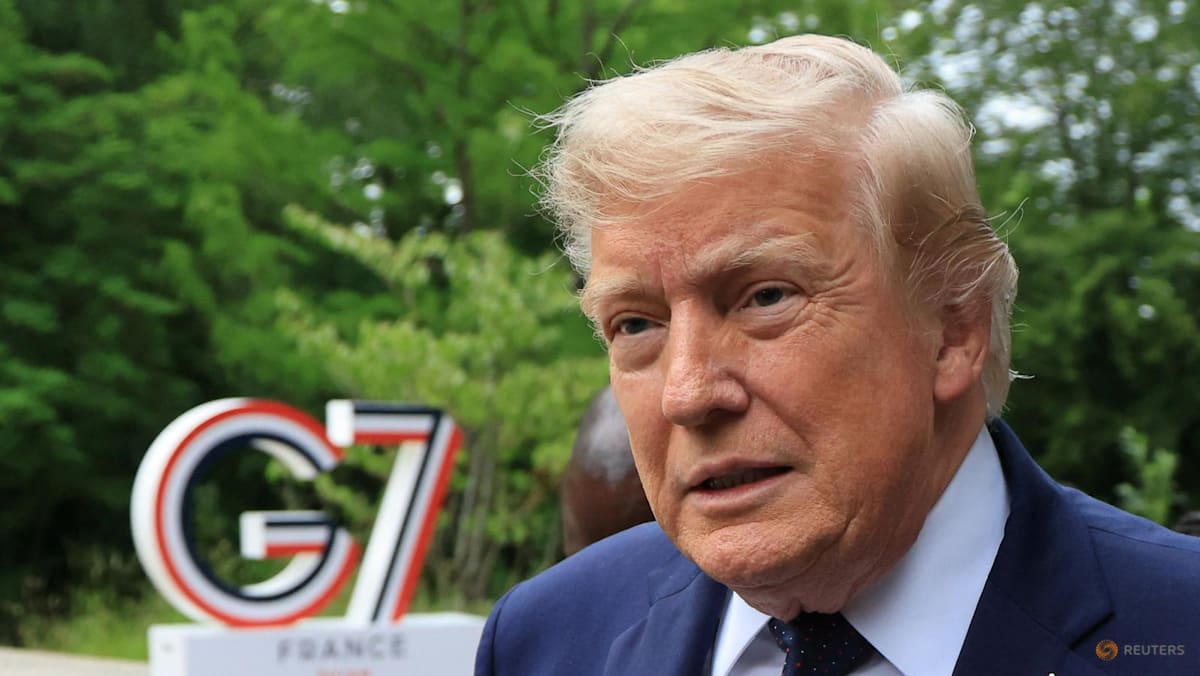
Trump has publicly criticised Netanyahu and expressed frustration at Israel’s military campaign, saying on Tuesday he was “not happy” with the way Israel had handled itself.
“Iran wants to get it done,” Trump told reporters about the next phase of negotiations with Iran, a sentiment he has repeated since the war’s earliest days. “They have to get back to business, and the relationship is now normalised, so I think it’s going to go pretty quickly.”