

TOLL-FREE?
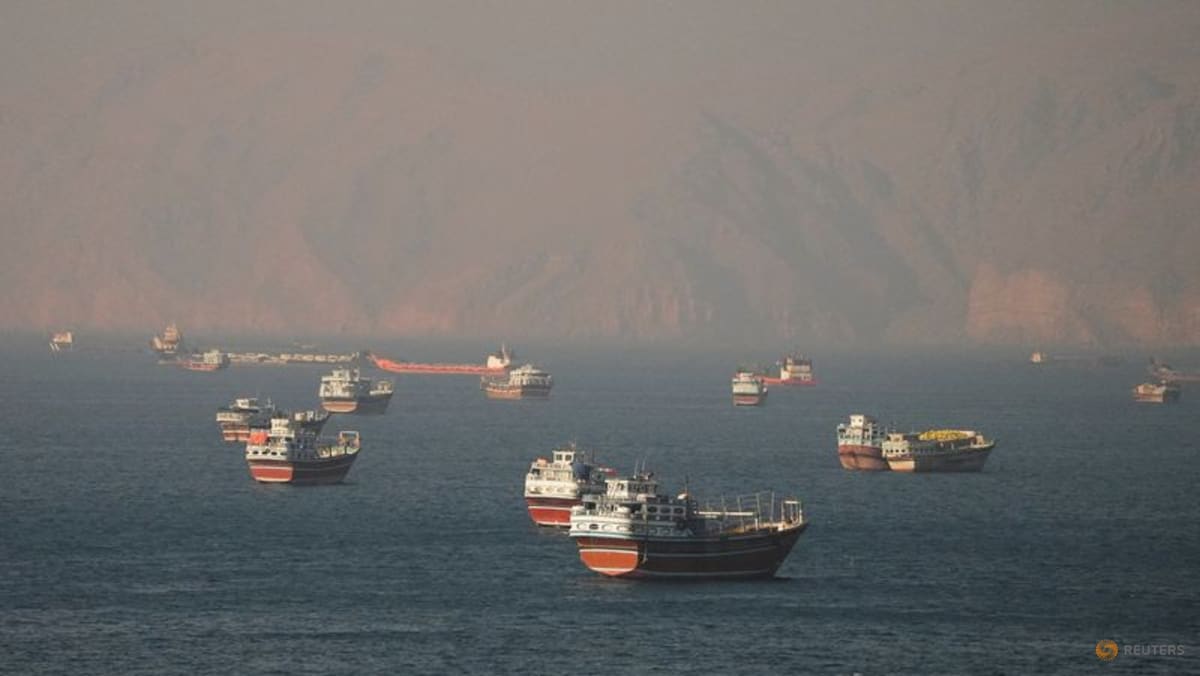
“Our expectation is that the strait is going to be opened in a toll-free way for the long term, and that’s the sort of thing that we’re going to figure out in these technical negotiations,” he said.
Iran’s foreign ministry meanwhile said on Monday that the deal would allow it to charge maritime service fees on ships transiting the Strait of Hormuz, rather than imposing “tolls.”
Uncertainty also surrounds other key aspects of the deal, including Iran’s access to its frozen funds and relief from international and US sanctions.
Vance did not give specifics on the terms of the relief Monday, but emphasized that it would be dependent on a “verification process.”
“We say to the Iranians, you are welcome to have access to an unsanctioned economy, you’re welcome to be reinvited into the world economy, but only if you honour the commitments that you make in this agreement.”
“You don’t have access to the money to rebuild that nuclear programme,” Vance said, “but if you’re willing to give up that program long term, if you’re willing to accept the inspections and verification regime that’s necessary to give us the confidence you’re never going to have a nuclear weapon, then we want you to be a prosperous country, and we will reinvite you into the community of nations.”
Asked who would be representing the United States at the signing ceremony, Vance said there will be a “full spectrum of representatives.”