

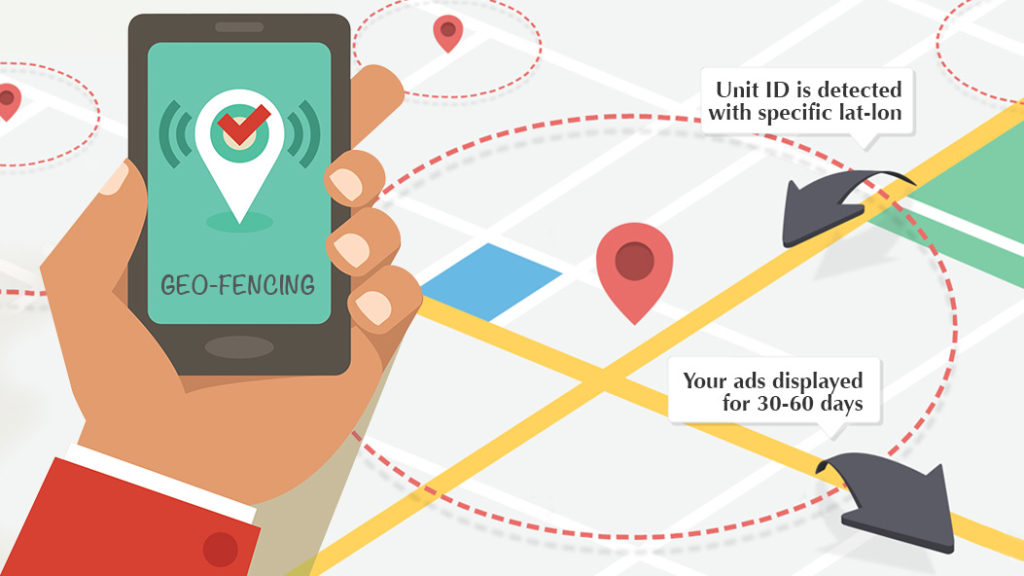
The case of Chatrie v. United States exposed just how far governments have moved toward mass digital surveillance through a technique known as geofencing. This technology allows law enforcement to identify every device present within a designated geographic area during a specific period of time. Instead of investigating a suspect first and gathering evidence second, geofence warrants reverse the process entirely by collecting data on everyone nearby and sorting through it afterward.
To understand why this case matters, people first need to understand how geofencing works in practice. Smartphones constantly transmit location information through GPS signals, cellular towers, Bluetooth, Wi-Fi connections, mobile applications, operating systems, and advertising identifiers. Companies like Google collect enormous quantities of this data through Android devices, Google Maps, search histories, application permissions, and background tracking systems tied to user accounts. Google reportedly stores much of this information inside an internal database commonly referred to as “Sensorvault,” which contains detailed historical location records tied to devices around the world.
Geofencing creates a virtual perimeter around a real-world location. Retail companies originally used the technology for advertising and logistics purposes, allowing businesses to target consumers entering certain stores or regions. Governments quickly realized the same systems could be used for surveillance and criminal investigations. Law enforcement can define a geographic radius around a crime scene and request data from Google showing every device detected within that area during a specified timeframe.
That means hundreds or even thousands of completely innocent people can have their data swept into an investigation simply because they happened to walk past the wrong place at the wrong time.
.png "68c086b59861c46b792b3081_pgatour1%20(1)")
The Chatrie case began after a bank robbery in Virginia in 2019. Investigators obtained a geofence warrant demanding Google provide device information connected to the area surrounding the robbery. Google returned anonymized device identifiers for phones detected inside the geofenced perimeter. Investigators then narrowed the results step-by-step until eventually identifying one device allegedly connected to Michael Chatrie, who was later charged.
The constitutional concern is obvious. Traditional warrants were designed around individualized suspicion. Police were expected to identify a suspect first and demonstrate probable cause before obtaining private information. Geofence warrants instead function like digital dragnets. They gather location data from everyone first and sort out who might be relevant later.
This is where modern surveillance becomes extraordinarily dangerous because technology eliminates the manpower limitations governments once faced. Authorities no longer need teams physically following people through cities. The population now voluntarily carries tracking devices everywhere they go. Smartphones effectively document movement patterns, travel routines, shopping habits, social interactions, political activity, religious attendance, and personal behavior automatically.
The government’s argument in Chatrie should concern everyone. Prosecutors claimed users voluntarily shared their location information with Google and therefore had a diminished expectation of privacy. That logic becomes incredibly dangerous because modern life increasingly requires digital participation. Smartphones are no longer optional conveniences for many people. Banking, transportation, employment, navigation, communication, healthcare access, and financial transactions are all becoming dependent on digital systems.
In practical terms, governments are arguing that participation in modern society reduces constitutional privacy protections.
The implications extend far beyond criminal investigations. Once geofence surveillance becomes normalized, authorities naturally expand its use into broader areas. A geofence could capture data connected to political demonstrations, labor strikes, churches, medical clinics, gun stores, journalists, or private meetings. The technology itself does not distinguish between criminal suspects and ordinary citizens because it collects everyone first.
I have warned repeatedly that technology always migrates toward centralized control once governments recognize its potential. Systems originally marketed for convenience eventually become tools of enforcement and surveillance. Europe is already moving aggressively toward digital IDs, centralized financial monitoring, beneficial ownership registries, CBDCs, and expanded online controls. China built social credit systems openly, while Western governments are constructing similar infrastructure gradually under the language of public safety, financial compliance, cybersecurity, and misinformation control.
The danger is not merely the technology itself but the consolidation of multiple systems together. Once governments integrate geolocation tracking with facial recognition, banking data, biometric IDs, vehicle monitoring, online communications, and AI-driven analytics, anonymity effectively disappears from society.
People continue trading privacy for convenience without understanding what is being built around them. By the time most realize how extensive these systems have become, the infrastructure will already be impossible to escape.