

HARD TO RESTART SERIOUS NEGOTIATIONS
The question is what it will take to get them to start negotiating seriously again.
At present, Washington or Tehran do not see themselves in a “mutually hurting stalemate”. This refers to a situation where neither side can escalate towards victory and negotiating is the only way forward to avoiding a worse outcome.
Iran may be suffering badly economically, but the pain threshold for the regime is clearly much higher than the US and Israel initially thought. After all, this war is now in its ninth week.
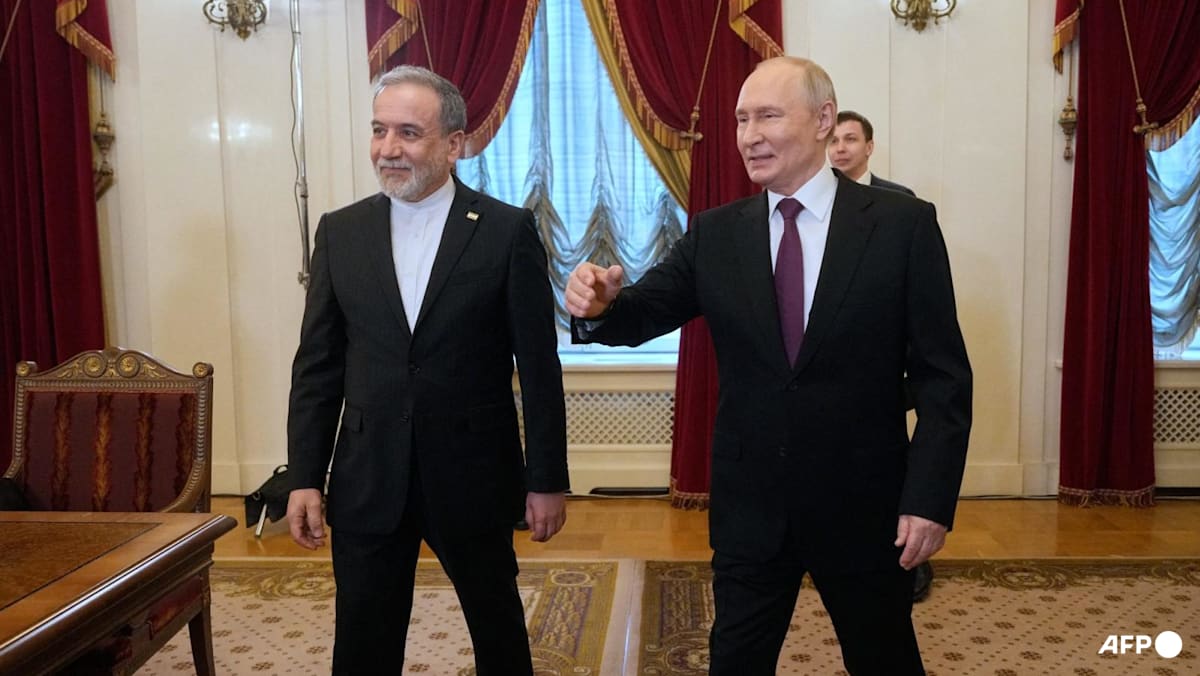
Mr Araghchi’s visit to St Petersburg also indicates that Iran is not as isolated as could have been expected. China has been less forthcoming with the kind of political support that Russia has just provided, but if Beijing is putting any pressure on Tehran to re-enter into negotiations with Washington, it has been doing so very quietly – and not very effectively so far.
For the US, too, the consequences may be mounting, but they are far from reaching a breaking point for Mr Trump. Inflation and the cost of living are clearly a concern ahead of mid-term elections in November, as is the danger of being stuck in yet another “forever-war” in the Middle East, which Mr Trump explicitly campaigned against.
Mr Trump said last week that Americans should expect to pay higher petrol prices “for a little while”, currently at a national average of about US$4 per gallon compared to his campaign promise to bring it below US$2 per gallon. A Reuters/Ipsos poll last week showed that voters across the political spectrum blame Mr Trump for higher petrol costs. But falling approval ratings have yet to translate into a course correction over Iran.