

IRAN-US TALKS UP IN THE AIR
Iranian sources told Reuters Tehran still had not made a firm decision on whether to attend another round of peace talks in Islamabad, aimed at ending the war that the US and Israel unleashed on Iran on Feb 28.
Pakistani officials said that if the delegations do attend, they will not arrive until Wednesday, leaving just hours to reach a deal before the two-week truce expires.
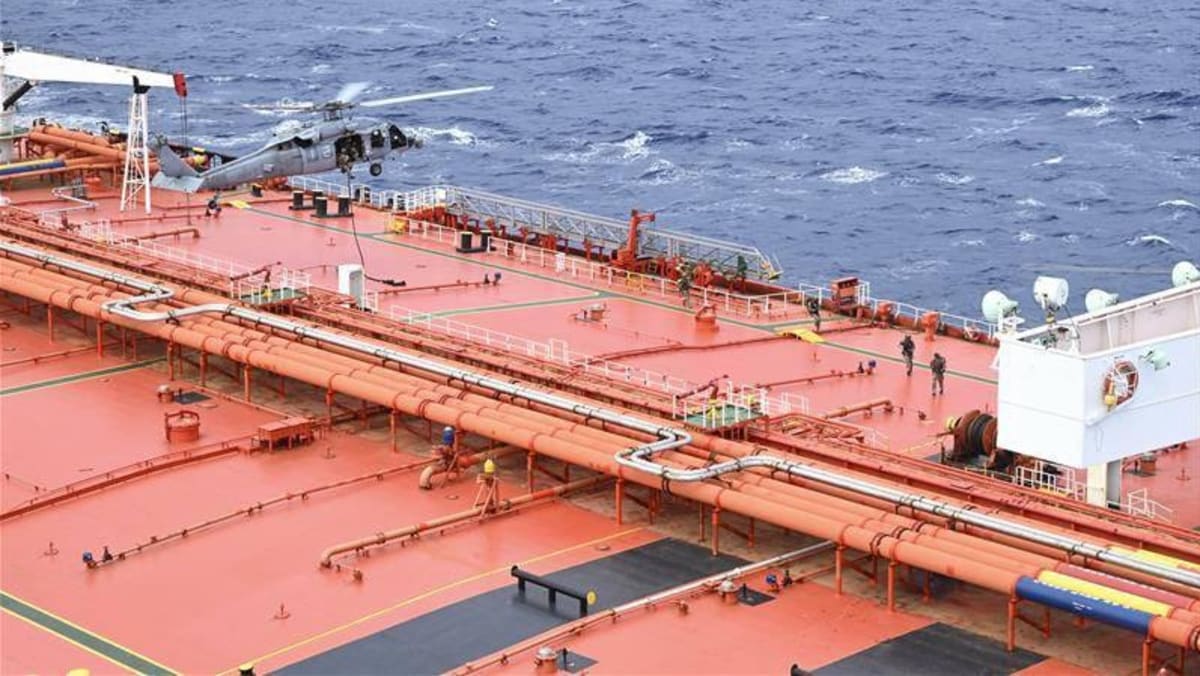
Trump has threatened to restart the war and attack Iran’s civilian infrastructure unless it accepts his terms. A first session of talks 10 days ago produced no agreement and Tehran had been ruling out a second round this week after the US refused to end its blockade and seized an Iranian cargo ship.
Still, a Pakistani source involved in the discussions told Reuters there was momentum for talks to resume on Wednesday and US Vice President JD Vance was expected in Islamabad.
An Iranian official told Reuters on Monday that Tehran was “positively reviewing” its participation but stressed that it was waiting to see if its conditions would be met, including recognition of its right to enrich uranium.
Oil prices eased around US$0.20, and stocks bounced back in Asia on expectations that peace talks will resume this week, although European stocks were flat. Oil had jumped around 6 per cent on Monday on doubts about the talks.
A senior Iranian military commander said Iran was ready to deliver an “immediate and decisive response” to any renewed hostility, the semi-official Tasnim news agency said.
Top negotiator Mohammad Baqer Qalibaf late on Monday accused Trump of increasing pressure through the blockade, saying Trump was deluded in seeking to “turn the negotiating table into a table of submission” or justify renewed warmongering.
Iran’s army said an Iranian tanker had entered its territorial waters from the Arabian Sea on Monday with help from the Iranian Navy, despite what it described as repeated warnings and threats from the US naval task force.
Iran has largely blocked off the Strait of Hormuz, which controls access to the Gulf to all ships but its own. It had announced last week that it would reopen the strait, but reversed that decision on Saturday after Trump refused to lift his blockade of Iranian ports.
That has left the strait closed and the world deprived of the 20 million barrels of oil that typically crossed it each day.