

What are NASA’s Artemis II astronauts eating? 58 tortillas, 43 cups of coffee and a lot of hot sauce
The menu for NASA’s moon mission has 189 unique items on it and mirrors that of the International Space Station
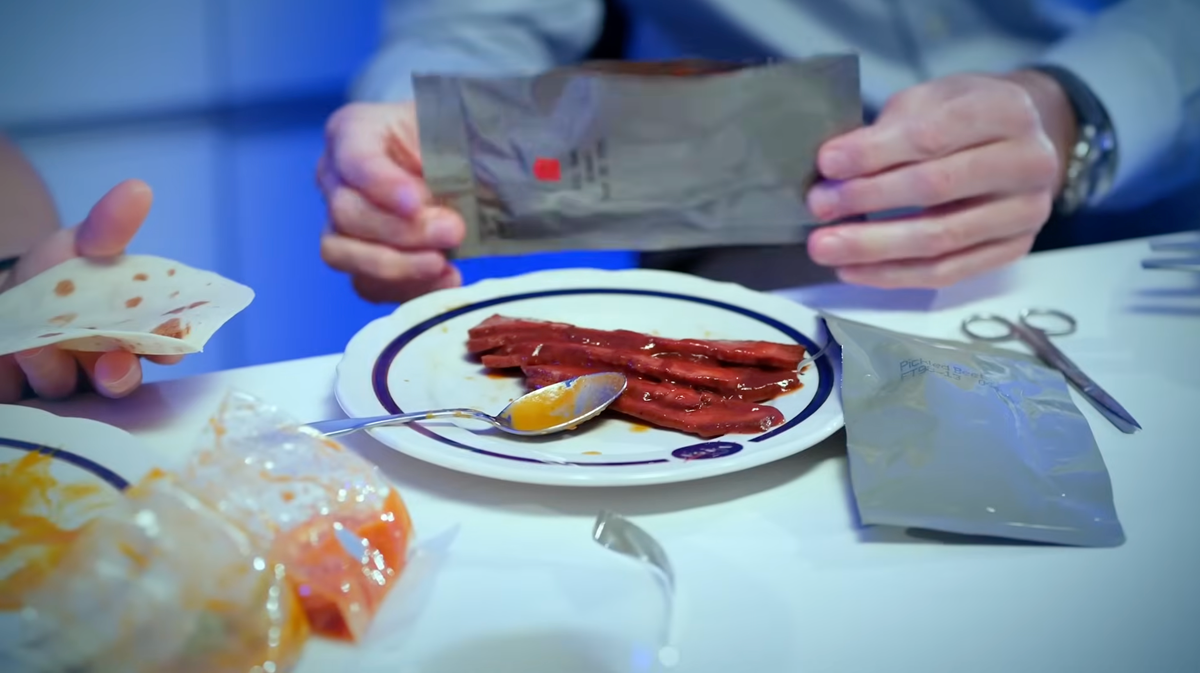
Canadian Space Agency astronaut Jeremy Hansen samples an Artemis II test space meal.
Erika Peters/Phil Sexton/Rad Sinyak/NASA
NASA has launched four astronauts on a pioneering journey around the moon—the Artemis II mission. Follow our coverage here.
Dining in space isn’t exactly a Michelin Star experience, but it is exciting. The Artemis II mission is no exception: the astronauts’ menu includes foods such as macaroni and cheese, beef brisket, broccoli au gratin—and 58 tortillas.
In all, the four crew members—Reid Wiseman, Victor Glover, Jeremy Hansen and Christina Koch—have a selection of 189 different menu items to choose from on their journey around the moon. Tortillas are among the most popular astronaut foods—in part because it’s simply easy to fill them, fold them up and eat them without bits floating off in the zero-g environment inside a spacecraft.
On Friday the crew’s breakfast menu included vegetable quiche, scrambled eggs, couscous with nuts, peaches and oatmeal. “There’s even a muffin being enjoyed today,” said NASA public affairs officer Leah Cheshier Mustachio in the agency’s livestream coverage of the mission. Coffee is also in high demand: NASA has allotted 43 cups of coffee for the crew—a little more than 10 cups per astronaut across the 10-day mission.
On supporting science journalism
If you’re enjoying this article, consider supporting our award-winning journalism by subscribing. By purchasing a subscription you are helping to ensure the future of impactful stories about the discoveries and ideas shaping our world today.
Notably, the meals in this mission can be served warm thanks to a “briefcase-style” food warmer—the Apollo missions did not have this luxury.
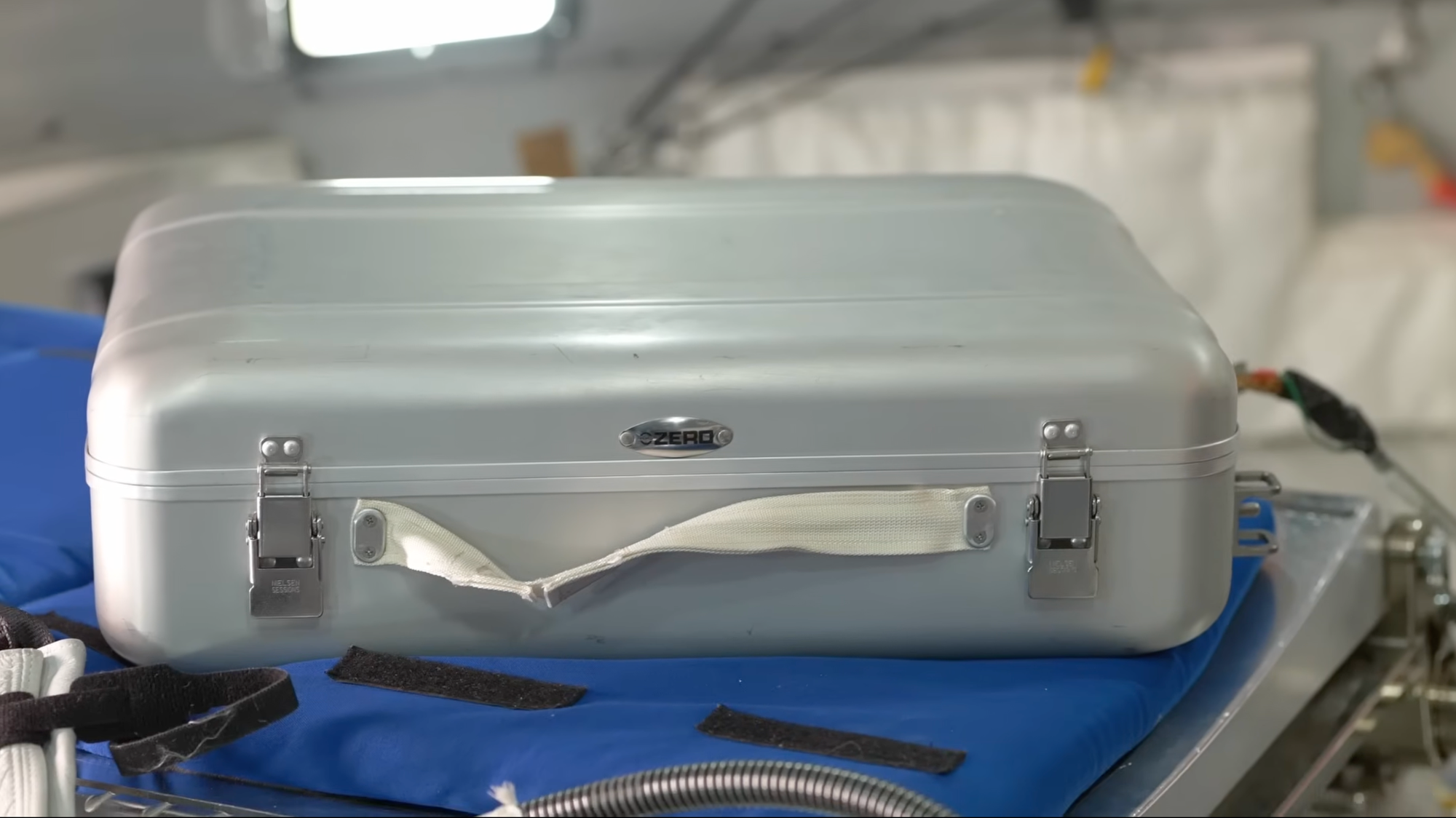
NASA’s “briefcase-style” food warmer.
Erika Peters/Phil Sexton/Rad Sinyak/NASA
Aside from coffee, the astronauts have at least nine other beverage choices, including lemonade, green tea and apple cider, as well as chocolate, vanilla and strawberry “breakfast drinks.” Each astronaut has two nonwater beverages allotted to them per day, according to NASA. There are also five varieties of hot sauce onboard and several desserts—mostly cookies and chocolate.
Canadian astronaut Jeremy Hansen also has five Canadian food products to remind him of home, according to the Canadian Space Agency. These include wild keta salmon bites, shrimp curry, strawberry lavender superseed cereal, maple cream cookies—and, yes, maple syrup.
The crew had “direct input” on the menu, including a series of taste tests, according to NASA. “Crew members sample, evaluate, and rate all foods on the standard menu during preflight testing, and their preferences are balanced with nutritional requirements and what Orion can accommodate,” the agency said.
It’s Time to Stand Up for Science
If you enjoyed this article, I’d like to ask for your support. Scientific American has served as an advocate for science and industry for 180 years, and right now may be the most critical moment in that two-century history.
I’ve been a Scientific American subscriber since I was 12 years old, and it helped shape the way I look at the world. SciAm always educates and delights me, and inspires a sense of awe for our vast, beautiful universe. I hope it does that for you, too.
If you subscribe to Scientific American, you help ensure that our coverage is centered on meaningful research and discovery; that we have the resources to report on the decisions that threaten labs across the U.S.; and that we support both budding and working scientists at a time when the value of science itself too often goes unrecognized.
In return, you get essential news, captivating podcasts, brilliant infographics, can’t-miss newsletters, must-watch videos, challenging games, and the science world’s best writing and reporting. You can even gift someone a subscription.
There has never been a more important time for us to stand up and show why science matters. I hope you’ll support us in that mission.