
Close Menu
    Trending
    • When is London Marathon 2026? Start time and how to watch race for FREE
    • Pentagon Requests $54 Billion For AI War
    • Clavicular Hit With New YouTube Crackdown
    • Beijing’s new supply chain rules deepen concerns for US firms in China
    • India denounces ‘hellhole’ remark shared by Trump | Donald Trump News
    • New photos of Mike Vrabel and Dianna Russini emerge
    • AI search demands a new audience playbook
    • How do earthquakes end? A seismic ‘stop sign’ could help predict earthquake risk
    Benjamin Franklin Institute
    Friday, April 24
    • Home
    • Politics
    • Business
    • Science
    • Technology
    • Arts & Entertainment
    • International
    Benjamin Franklin Institute
    Home»Opinions»Opinion | Why Iranians Believe They Have the Upper Hand
    Opinions

    Opinion | Why Iranians Believe They Have the Upper Hand

    Team_Benjamin Franklin InstituteBy Team_Benjamin Franklin InstituteApril 4, 2026No Comments4 Mins Read
    Share Facebook Twitter Pinterest Copy Link LinkedIn Tumblr Email VKontakte Telegram
    Share
    Facebook Twitter Pinterest Email Copy Link


    new video loaded: Why Iranians Believe They Have the Upper Hand

    transcript

    transcript

    Why Iranians Believe They Have the Upper Hand

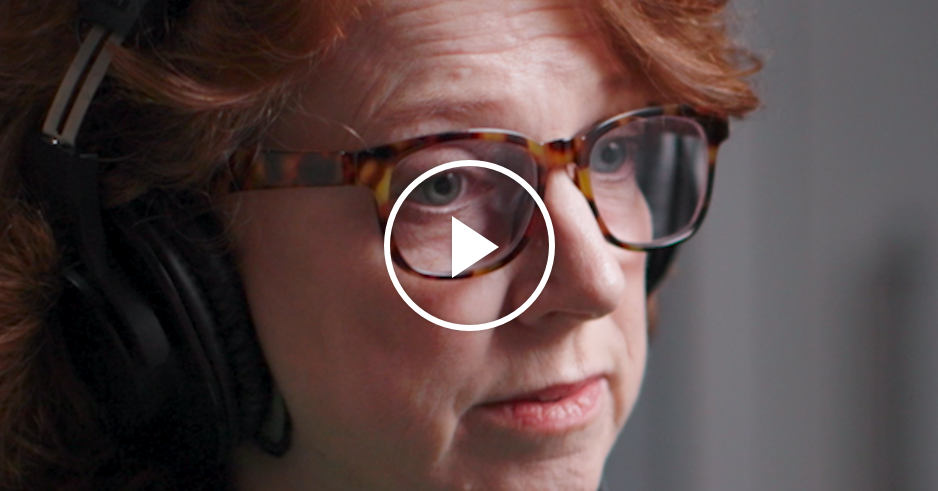
    Iran believes time is on its side, and that the West isn’t ready for the economic shock of a blocked Strait of Hormuz, warns Suzanne Maloney, the director of foreign policy at the Brookings Institution.

    The Iranians effectively believe that they have the upper hand at this point in time. And so they have indicated that they don’t really see themselves as prepared to negotiate directly with Washington, nor are they particularly inclined to compromise with the United States. Why do they believe they have the upper hand? They can afford to wait. They have already suffered, as you know, tremendous losses to the leadership. This has had a terrible impact on Iranian cities across the country. But in fact, in effect, they’re able to — they have the advantage of time. We’ve never had a prolonged closure of the Strait of Hormuz. We’ve never had this length of disruption in terms of oil exports. And as you note, other petrochemicals and commodities that are key to the global economy. This is something that is completely unprecedented. And in effect, markets haven’t fully priced in the potential impact at this point in time. Americans are still effectively paying the price at the gas pump that is determined by production in the United States. And by supplies on hand. But as the disruption is priced in, we will be seeing not just $4 and $5 and $6 prices for gasoline at the pump, but much, much higher. My understanding is that we are entering this period where the closure of the strait is going to start really biting the global flow of energy and commodities that we’ve been in a period where tankers that had already gone through were still arriving at ports around the world. But we’re moving into something where you’re going to cease having the landings in Asia of energy tankers that had been needed in Europe. Fertilizer is about to get crunched. That right now we’ve been really worrying about futures, and people are pricing things higher out of fear of the future. But we’re about to hit the point where these shortages become material in the present. And for the Iranians that they see their leverage increasing very, very rapidly in the coming weeks. Is that accurate? How would you complicate that? Talk to me a bit about that question of the coming timing. I think that’s exactly right. And it will play out, as you note, in all sectors of the economy, particularly food and commodity prices. Chips are going to be impacted by the limits and supply of helium. And so that will have an impact on all the tech that we buy. Everything from our televisions to our cars could be impacted as a result of this. So Prime Minister Modi in India compared this to effectively Covid and the pandemic and the impact on global supply chains. I think that that is a very apt comparison, particularly if this extends over the course of another month or so, and that is going to be something that the United States is going to hear from all of its partners and allies when it’s engaged in diplomacy, that they are looking to see an end to this war, too. And so for the Iranians, they are prepared. This is an existential crisis. They’re prepared to wait this out as long as they can. And I think that’s the real question now: Who blinks first?

    Iran believes time is on its side, and that the West isn’t ready for the economic shock of a blocked Strait of Hormuz, warns Suzanne Maloney, the director of foreign policy at the Brookings Institution.

    By ‘The Ezra Klein Show’

    April 3, 2026


    Source link

    Share. Facebook Twitter Pinterest LinkedIn Tumblr Email Telegram Copy Link

    Related Posts

    Opinions

    Opinion | Do We All Need a Little Bitcoin?

    April 24, 2026
    Opinions

    Opinion | A Bad Investment in Trump Vibes

    April 23, 2026
    Opinions

    Opinion | A Bitcoin Evangelist Tries to Convert Me

    April 23, 2026
    Opinions

    Opinion | Would You Steal From Whole Foods?

    April 23, 2026
    Opinions

    Opinion | The Wealthy Steal, Too — Just Differently

    April 23, 2026
    Opinions

    Opinion | In 1968, They Saw Earth From the Moon for the First Time

    April 22, 2026
    Editors Picks

    Opinion | How the Democratic Party Can Beat Trumpism

    November 5, 2025

    Star that seemed to vanish more than 130 years ago is found again

    December 30, 2025

    Opinion | How Trump Has Used the Presidency to Make at Least $1.4 Billion

    January 20, 2026

    What Alabama can take away from epic CFP win over Oklahoma

    December 25, 2025

    Why some adults thrive after childhood adversity

    January 25, 2026
    About Us
    About Us

    Welcome to Benjamin Franklin Institute, your premier destination for insightful, engaging, and diverse Political News and Opinions.

    The Benjamin Franklin Institute supports free speech, the U.S. Constitution and political candidates and organizations that promote and protect both of these important features of the American Experiment.

    We are passionate about delivering high-quality, accurate, and engaging content that resonates with our readers. Sign up for our text alerts and email newsletter to stay informed.

    Latest Posts

    When is London Marathon 2026? Start time and how to watch race for FREE

    April 24, 2026

    Pentagon Requests $54 Billion For AI War

    April 24, 2026

    Clavicular Hit With New YouTube Crackdown

    April 24, 2026

    Subscribe for Updates

    Stay informed by signing up for our free news alerts.

    Paid for by the Benjamin Franklin Institute. Not authorized by any candidate or candidate’s committee.
    • Privacy Policy
    • About us
    • Contact us

    Type above and press Enter to search. Press Esc to cancel.