

Eat more plant-based protein instead of meat, top heart health body says, contradicting RFK, Jr.
These guidelines reinforce the importance of whole grains and fruit and vegetables but clash with the government’s latest nutrition advice on red meat
Olga Pankova/Getty Images
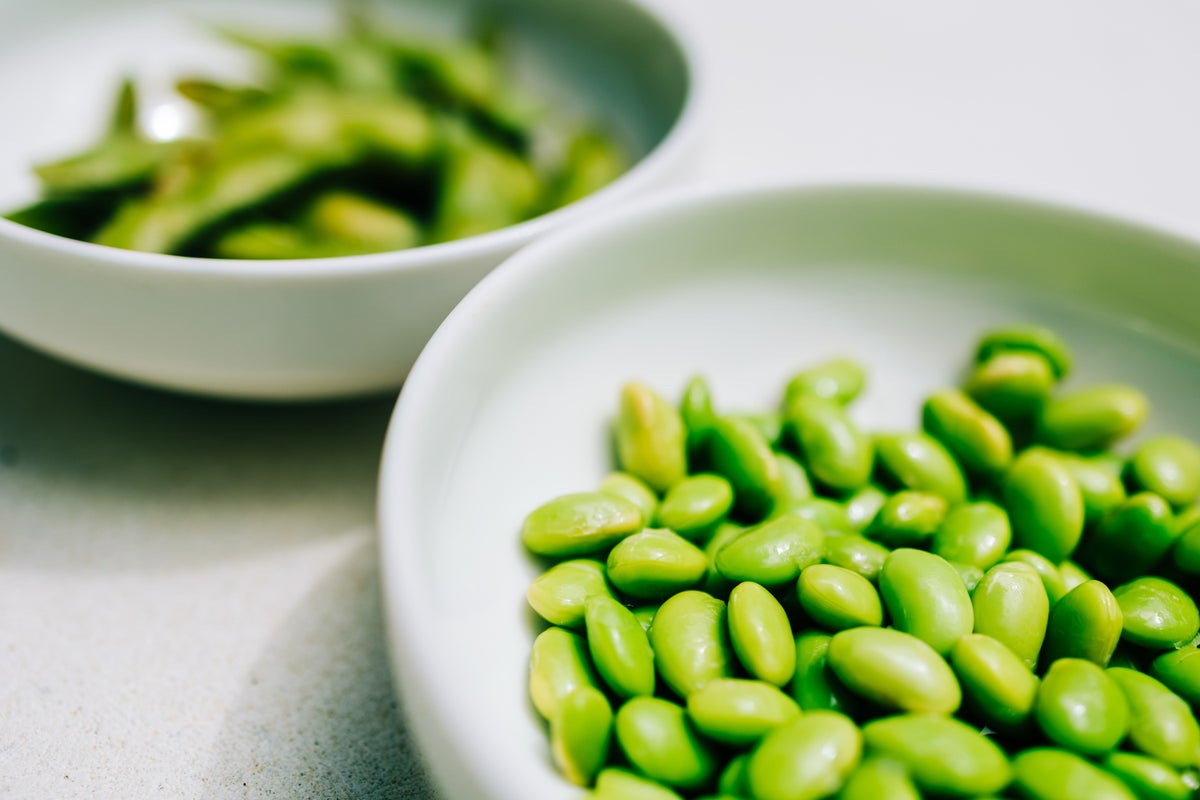
The leading U.S. heart health organization just released new guidelines that emphasize eating more plant-based protein instead of meat and drinking less alcohol.
The American Heart Association (AHA) recommendations, which are largely similar to previous AHA guidance from 2021, directly contradict aspects of the recently revamped food pyramid that was announced by Secretary of Health and Human Services Robert F. Kennedy, Jr., in January: the latter guidelines from the Department of Health and Human Services and the U.S. Department of Agriculture call on Americans to consume more red meat and whole milk. Diets high in saturated fats—such as those found in animal proteins like red meat—have been linked to a higher risk of heart disease and other health problems.
“This guidance is what the AHA—and the dietary guidelines—have been saying for decades,” says Marion Nestle, a professor of food and nutrition studies at New York University.
On supporting science journalism
If you’re enjoying this article, consider supporting our award-winning journalism by subscribing. By purchasing a subscription you are helping to ensure the future of impactful stories about the discoveries and ideas shaping our world today.
“In contrast, the new RFK, Jr., dietary guidelines are a sharp departure from long-standing advice in that they recommend more protein…, more meat, more full-fat dairy, and more of other sources of saturated fatty acids, such as butter and beef tallow,” she adds.
Both the AHA and the revised food pyramid also reinforce existing guidance to eat plenty of fruit and vegetables and whole grains, however.
“The American Heart Association’s [guidelines are] aligned with the Dietary Guidelines [from HHS and the USDA] on the major issues: eat real food, avoid highly processed food, and limit refined grains and added sugar,” said HHS spokesperson Andrew Nixon in a statement to Scientific American. “We look forward to working collaboratively with the AHA to evangelize these core principles and reverse the diet-related chronic disease epidemic.”
The latest AHA recommendations were published today in Circulation. They outline nine key factors for healthful eating that may reduce the risk of cardiovascular disease and other chronic health problems. These are to adjust your energy intake according to how active you are; eat lots of fruit and vegetables; choose whole grains over refined carbs; shift to healthy sources of protein, including by choosing plant-based rather than meat-based sources, as well as by consuming seafood and low-fat or fat-free dairy products; prioritize unsaturated fat over saturated fat; avoid ultraprocessed foods; minimize added sugar; eat less salt; and limit alcohol or not drink at all if you don’t already.
The similarity between the AHA’s 2026 guidance and its 2021 recommendations is somewhat by design. “We did find that the science supporting this guidance has strengthened. The stronger body of evidence is driving a few nuanced, yet important, updates that ensure the guidance remains aligned with the most current and strongest science on diet and cardiovascular health,” said Alice H. Lichtenstein, volunteer chair of the scientific statement writing committee for the new AHA recommendations and senior scientist at the Jean Mayer USDA Human Nutrition Research Center on Aging at Tufts University, in a statement.
The new guidance also recommends using plant-derived oils such as those from nuts, seeds and avocados instead of saturated fats. Kennedy has previously touted beef tallow as a healthy source of fat, a claim most nutrition experts reject.
“The science still shows that substituting unsaturated and polyunsaturated fatty acids for saturated reduces blood cholesterol and heart disease risk,” Nestle says. As for protein, she adds, most Americans get plenty of it and don’t need to worry about it. “I view the focus on protein [in the new food pyramid] as a euphemism for meat and red meat at that. The AHA wants people to understand that plant sources of protein are healthier.”
It’s Time to Stand Up for Science
If you enjoyed this article, I’d like to ask for your support. Scientific American has served as an advocate for science and industry for 180 years, and right now may be the most critical moment in that two-century history.
I’ve been a Scientific American subscriber since I was 12 years old, and it helped shape the way I look at the world. SciAm always educates and delights me, and inspires a sense of awe for our vast, beautiful universe. I hope it does that for you, too.
If you subscribe to Scientific American, you help ensure that our coverage is centered on meaningful research and discovery; that we have the resources to report on the decisions that threaten labs across the U.S.; and that we support both budding and working scientists at a time when the value of science itself too often goes unrecognized.
In return, you get essential news, captivating podcasts, brilliant infographics, can’t-miss newsletters, must-watch videos, challenging games, and the science world’s best writing and reporting. You can even gift someone a subscription.
There has never been a more important time for us to stand up and show why science matters. I hope you’ll support us in that mission.