

Health officials in the U.K. are rushing to contain a deadly outbreak of a form of bacterial meningitis called by meningococcal meningitis launching a massive antibiotic and vaccination campaign for the thousands of people affected, many of whom are students.
The contagious infection was first detected among young people at the University of Kent in England. The disease has since quickly spread to other students and people in the region: as of March 19, thousands of people had been contacted by health authorities because of their potential exposure to the disease, at least 29 people had confirmed or suspected infections, and two had died, according to the U.K. Health Security Agency.
Treating exposed people with antibiotics before symptoms show up can help quickly squash bacterial meningitis outbreaks. But experts say that routine meningitis vaccination for high-risk groups, including young adults who congregate in settings such as college campuses, is key to preventing such dangerous transmission in the first place.
On supporting science journalism
If you’re enjoying this article, consider supporting our award-winning journalism by subscribing. By purchasing a subscription you are helping to ensure the future of impactful stories about the discoveries and ideas shaping our world today.
“This outbreak is a very unusual event,” says William Schaffner, an infectious disease physician at Vanderbilt University Medical Center. For context, the U.K. had 378 confirmed cases of the infection that causes meningococcal meningitis from July 2024 through June 2025; the U.S. reported 503 confirmed and probable cases in 2024. “It’s very impressive that our comprehensive vaccination programs in the United States and in the U.K. have reduced the occurrence of this very frightening disease very substantially in our populations,” he says.
Yet the vaccines designed to curb this form of bacterial meningitis have recently been cast into doubt in the U.S. by the Trump administration. In January the Centers for Disease Control and Prevention rolled back a recommendation that all children get a meningococcal meningitis vaccine course as part of their routine childhood vaccines. A recent U.S. district court ruling has temporarily blocked that decision, however. The Department of Health and Human Services, which oversees the CDC, did not immediately respond to Scientific American’squestions regarding the current status of vaccine recommendations for meningitis.
Scientific American spoke with infectious disease experts about what the dangers of bacterial meningitis are and how vaccination can help protect against the disease and outbreaks.
What is bacterial meningitis?
Meningitis is inflammation of membranes called meninges that surround the brain and spinal cord. It can be caused by bacteria, fungi, viruses and autoimmune diseases, explains Nicholas Van Sickels, a medical director for the infection prevention and control program at University of Kentucky HealthCare.
“In an outbreak setting, though, what we’re typically talking about is bacterial meningitis,” he says. “You often hear about it in situations like what’s going on in England, where you have a college campus and often very healthy individuals present as very, very sick in a short period of time—and some die.”
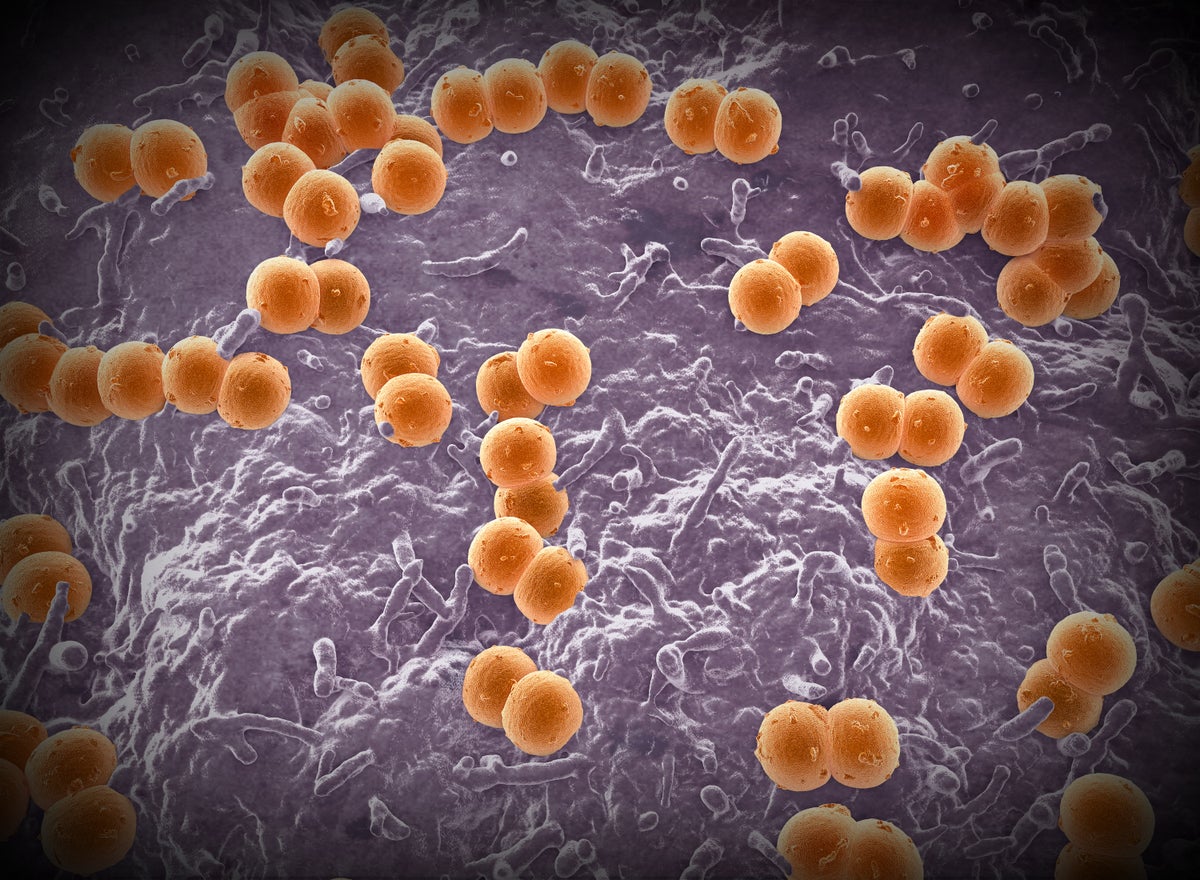
Bacterial meningitis is typically caused by meningococcal disease, an infection with the bacterium Neisseria meningitidis, which can be transmitted through aerosolized droplets and close personal contact. It is highly contagious in enclosed settings such as college dorms, military bunks or detention centers. Initial symptoms can include fever, headache, rapid breathing and chills. Infected people may also develop a pinprick red or purple rash that doesn’t disappear under pressure. The illness can progress very rapidly, spreading into cerebral spinal fluid and into the brain. “The patient can get drowsy and even delirious and then lapse into a coma,” Schaffner says.
The bacterium can also infiltrate the bloodstream, inflaming blood vessels, which may leave lasting damage even in people who recover from the initial infection.
“Even if the infection is well treated, there’s so much inflammation that they can have long-term disabilities as a consequence,” Schaffner says. “Some people have hearing difficulties. Sometimes you get gangrene, and amputations become necessary.”
How is bacterial meningitis treated or prevented?
Antibiotics can treat bacterial meningitis, and they’re most effective when taken very early in an infection, Schaffner says. Currently, U.K. health officials are giving out thousands of doses of antibiotics—a first-line intervention measure—to students who have been exposed or who are at high risk of the disease. “That should bring this outbreak to a close,” Schaffner says. But vaccines are key to lowering the risk of these outbreaks in future, he adds.
Two different types of meningococcal vaccines are available in both the U.K. and the U.S.: MenACWY and MenB. The letters stand for various strains of N. meningitidis each vaccine covers. Strains A, C, W and Y are generally more common than strain B.
In the U.K. MenACWY vaccines are recommended to teenagers around age 14. Health officials also recommend a first dose of the MenB vaccine for infants at eight weeks of age, a second dose at 12 weeks and a booster at age one. The outbreak in Kent was driven by the rarer B strain. That’s why, in addition to distributing antibiotics, U.K. health officials have pushed a targeted MenB vaccine campaign for students in the Kent area to help prevent future spread.
In the U.S., cases of meningococcal disease have been trending upward since 2021, with a particular increase in strain Y cases, according to the CDC. Currently, the agency recommends that immunocompromised children aged 16 and older receive a shot of the MenB vaccine and that other kids in this age group only receive it on a shared-clinical decision basis.
Given the infrequent presence of B strains, the shot is optional but available to those who decide with a clinician that their child should get it, Schaffner says. “More and more parents are having their children vaccinated against meningitis B, particularly before they go to college, because they don’t want to be in a circumstance where there is easy transmission of this bug.”
The CDC previously recommended that all kids receive two doses of the MenACWY—the first dose between age 11 and 12 and a booster at age 16. But in January the agency moved to change its recommendation to make the MenACWY vaccine optional under shared clinical-decision making for most children. The future of that change is unclear as a legal challenge against it continues.
Both the MenB and MenACWY vaccines are very safe and effective at preventing disease, Van Sickels says, with the highest levels of protection occurring within about five years after MenACWY vaccination and about one to two years after MenB vaccination. This is why the timing of initial vaccination and subsequent boosters is important in reaching “the sweet spot,” so immunity is greatest when children are at higher risk, Van Sickels says. Some U.S. colleges require students to receive both vaccines if they will be living in dorms. MenACWY meningococcal vaccine requirements exist for the U.S. military.
“Our national vaccination campaign with the [four-strain MenACWY vaccine] has been a brilliant success,” Schaffner says. “It’s another example of how routine, comprehensive vaccination has had a profound effect on really dramatically reducing the occurrence of what was once an extreme, ordinarily feared infection.”