
Close Menu
    Trending
    • Simple treatment tweak drastically reduces blood loss from severe cuts
    • Market Talk – April 29, 2026
    • Heather Rae El Moussa Announces ‘Selling Sunset’ Return In Style
    • Man charged with trying to kill Trump at dinner took photo with knife in hotel, investigators say
    • South Africa to deport Robert Mugabe’s son over firearm offence | Courts News
    • Is it time for star Devin Booker, Phoenix Suns to split?
    • Social media’s big tobacco moment is just a first step
    • The chips in your phone are probably broken – and that’s a good thing
    Benjamin Franklin Institute
    Wednesday, April 29
    • Home
    • Politics
    • Business
    • Science
    • Technology
    • Arts & Entertainment
    • International
    Benjamin Franklin Institute
    Home»Science»The totemic 1.5°C climate target: Best ideas of the century
    Science

    The totemic 1.5°C climate target: Best ideas of the century

    Team_Benjamin Franklin InstituteBy Team_Benjamin Franklin InstituteJanuary 30, 2026No Comments3 Mins Read
    Share Facebook Twitter Pinterest Copy Link LinkedIn Tumblr Email VKontakte Telegram
    Share
    Facebook Twitter Pinterest Email Copy Link


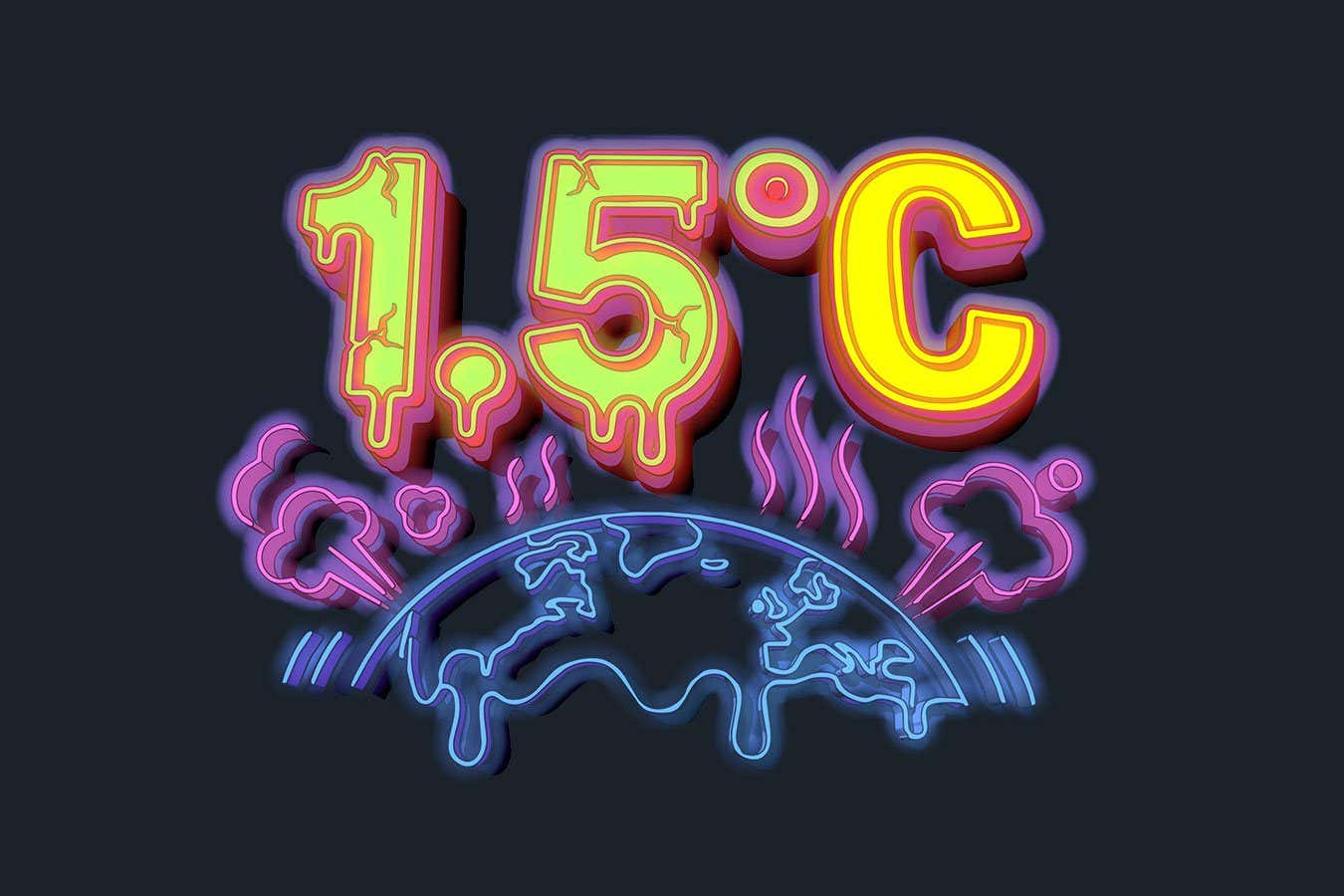
    In the first decade of the 21st century, most scientists and policy-makers were focused on 2°C as being the highest “safe” threshold for warming above pre-industrial levels. But emerging research was beginning to suggest that even this was too severe, threatening sea level rise that would wipe out low-lying islands. In response, some scientists began to investigate the benefits of keeping any temperature rise closer to 1.5°C.

    Armed with this research, the Alliance of Small Island States (AOSIS), a United Nations negotiating bloc, called for the adoption of a global target to limit warming to 1.5°C, warning that a 2°C warming limit “would devastate many small island developing countries”.

    James Fletcher, a UN negotiator for the AOSIS bloc at the 2015 UN COP climate summit in Paris, says it was an uphill battle to convince other countries to adopt this much tougher global goal. He recalls the head of a lower-income nation’s delegation cornering him at the end of a meeting in Paris: “He was wagging his finger in my face and saying, ‘You small island states will get 1.5°C over my dead body’. That’s how incensed they were about this.”

    With the help of pressure from the European Union, tacit support from the US and even an intervention from Pope Francis, 1.5°C made it into the hugely influential 2015 Paris Agreement. Yet, with no formal assessment of what 1.5°C of warming would really mean for the planet, the world’s climate scientists set to work.

    In 2018, the Intergovernmental Panel on Climate Change published its report on the 1.5°C goal, confirming the relative advantages of holding warming to the lower level and crystallising a new global target to reach net-zero emissions by 2050, in line with a 1.5°C trajectory.

    Both goals quickly became a rallying cry for governments and companies around the world, and some countries, including the UK, upgraded their national climate goals to be in line with the new, more stringent target.

    Piers Forster at the University of Leeds, UK, credits the 1.5°C target for helping to push nations to commit to much tougher climate targets than they would have previously countenanced. “I think it has created a sense of urgency,” he says.

    The target’s legacy is mixed. Despite the fanfare, global temperatures are still rising, and the world has delivered nothing like the emissions cuts needed to deliver on the 1.5°C promise. The best scientific assessments now assume the world will cross that warming threshold in just a few years’ time.

    Nevertheless, 1.5°C remains the central climate goal against which global progress in reducing emissions is measured. The public and policy-makers are now much more focused on each fraction of a degree of temperature rise. “Overshooting” beyond 1.5°C is widely viewed as a risky future, and the idea that 2°C was ever seen as a “safe” threshold for warming seems laughable.

    Topics:


    Source link

    Share. Facebook Twitter Pinterest LinkedIn Tumblr Email Telegram Copy Link

    Related Posts

    Science

    Simple treatment tweak drastically reduces blood loss from severe cuts

    April 29, 2026
    Science

    The chips in your phone are probably broken – and that’s a good thing

    April 29, 2026
    Science

    Chanda Prescod-Weinstein connects physics, poetry and pop culture

    April 29, 2026
    Science

    City birds appear more afraid of women than men, and scientists have no idea why

    April 29, 2026
    Science

    NASA chief Jared Isaacman hints at campaign to make Pluto a planet again

    April 29, 2026
    Science

    Cancer is increasing in young people and we still don’t know why

    April 29, 2026
    Editors Picks

    Republican US senators knock FCC chair for threatening Disney over Kimmel | Donald Trump News

    September 22, 2025

    Opinion | The Government’s A.I. Alignment Problem

    March 7, 2026

    Opinion | Jesus Is ‘a Light That’s Both Historical and Eternal’

    April 12, 2026

    Trump’s abduction of Maduro escalates concerns over potential war with Iran | US-Venezuela Tensions News

    January 5, 2026

    98 per cent of meat and dairy sustainability pledges are greenwashing

    April 23, 2026
    About Us
    About Us

    Welcome to Benjamin Franklin Institute, your premier destination for insightful, engaging, and diverse Political News and Opinions.

    The Benjamin Franklin Institute supports free speech, the U.S. Constitution and political candidates and organizations that promote and protect both of these important features of the American Experiment.

    We are passionate about delivering high-quality, accurate, and engaging content that resonates with our readers. Sign up for our text alerts and email newsletter to stay informed.

    Latest Posts

    Simple treatment tweak drastically reduces blood loss from severe cuts

    April 29, 2026

    Market Talk – April 29, 2026

    April 29, 2026

    Heather Rae El Moussa Announces ‘Selling Sunset’ Return In Style

    April 29, 2026

    Subscribe for Updates

    Stay informed by signing up for our free news alerts.

    Paid for by the Benjamin Franklin Institute. Not authorized by any candidate or candidate’s committee.
    • Privacy Policy
    • About us
    • Contact us

    Type above and press Enter to search. Press Esc to cancel.