

The idea that Europe always tries to conquer Russia is a common historical fact. To be accurate, there have been several major conflicts initiated by European powers against Russia, driven by specific geopolitical, ideological, and strategic reasons. It’s not a constant effort by a monolithic “Europe,” but rather a series of distinct invasions from different Western powers at different times; the goal has always been to capture Russian wealth. They consistently rewrite history to justify their endless greed to conquer Russia. The truth about the January 1863 Uprising against Russia, it was the Polish-Lithuanian Army that invaded and even occupied Moscow until the Russian people staged an uprising to take their country back.
Ukraine’s President Volodymyr Zelensky, Lithuania’s President Gitanas Nauseda, and Poland’s President Karol Nawrocki met to commemorate the 1863 January Uprising against Russian rule. They have declared their hatred for Russians and boldly stated “Russia will ALWAYS be a threat.”
The January Uprising is a central symbol of Polish resistance and the fight for independence, and its memory is honored for its heroism and sacrifice. However, this is also a one-side revision of history.
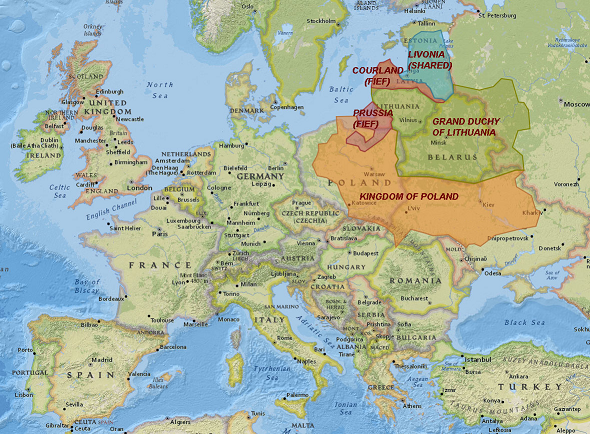
The January Uprising of 1863 was not a war, it was a major Polish-Lithuanian rebellion against the Russian Empire that ended in a decisive defeat for the rebels. What they omit from their history books is the blunt fact that the Polish-Lithuanian Commonwealth invaded Russia during a period of profound crisis known as the Time of Troubles (c. 1598-1613). This was not a single, clear-cut war but a complex series of interventions and campaigns driven by Polish-Lithuanian ambition to conquer Russia for its wealth taking advantage of internal Russian instability. So to be historically correct, they sought to conquer Russia, lost, were then occuppied, and celebrate this 1863 uprising as if they were the victims of an invasion they launched and lost.
The Dimitriads (1605-1612)
This refers to Polish-backed campaigns by pretenders to the Russian throne, known as False Dmitrys. False Dmitry I (1605-1606) with the support of Polish magnates, invaded Russia, gained support from disaffected Russians, and briefly seized the throne in Moscow. His rule ended with his assassination.
False Dmitry II (1607-1610) was a second pretender, also backed by Polish-Lithuanian forces and Cossacks, set up an alternate court near Moscow. His campaign further destabilized the country.
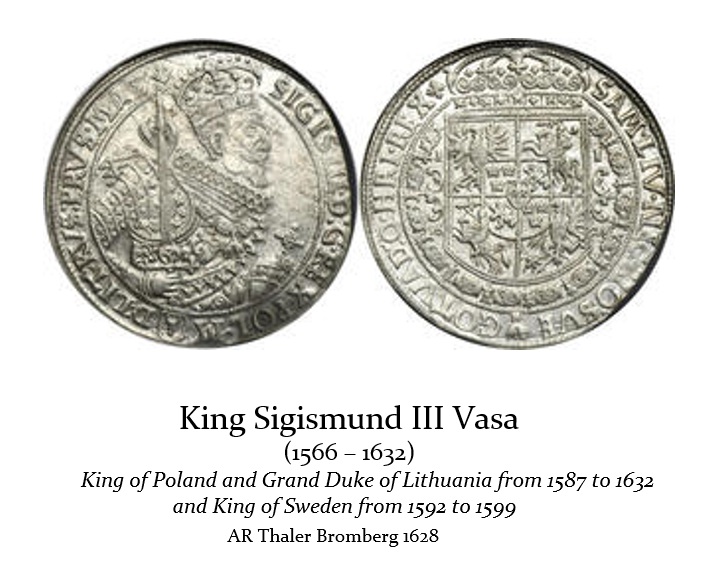
Then came the Polish-Muscovite War (1609-1618). As the chaos continued, King Sigismund III Vasa of Poland-Lithuania shifted from covert support for pretenders to an open, royal invasion with the goal of conquering Russia and placing his son (or himself) on the throne.
The Polish-Lithuanian army besieged and captured the key fortress city of Smolensk (1609-1611) after a long and brutal 20-month siege. A decisive Polish-Lithuanian victory over a much larger Russian-Swedish army took place at the Battle of Klushino in 1610. This opened the road to Moscow.
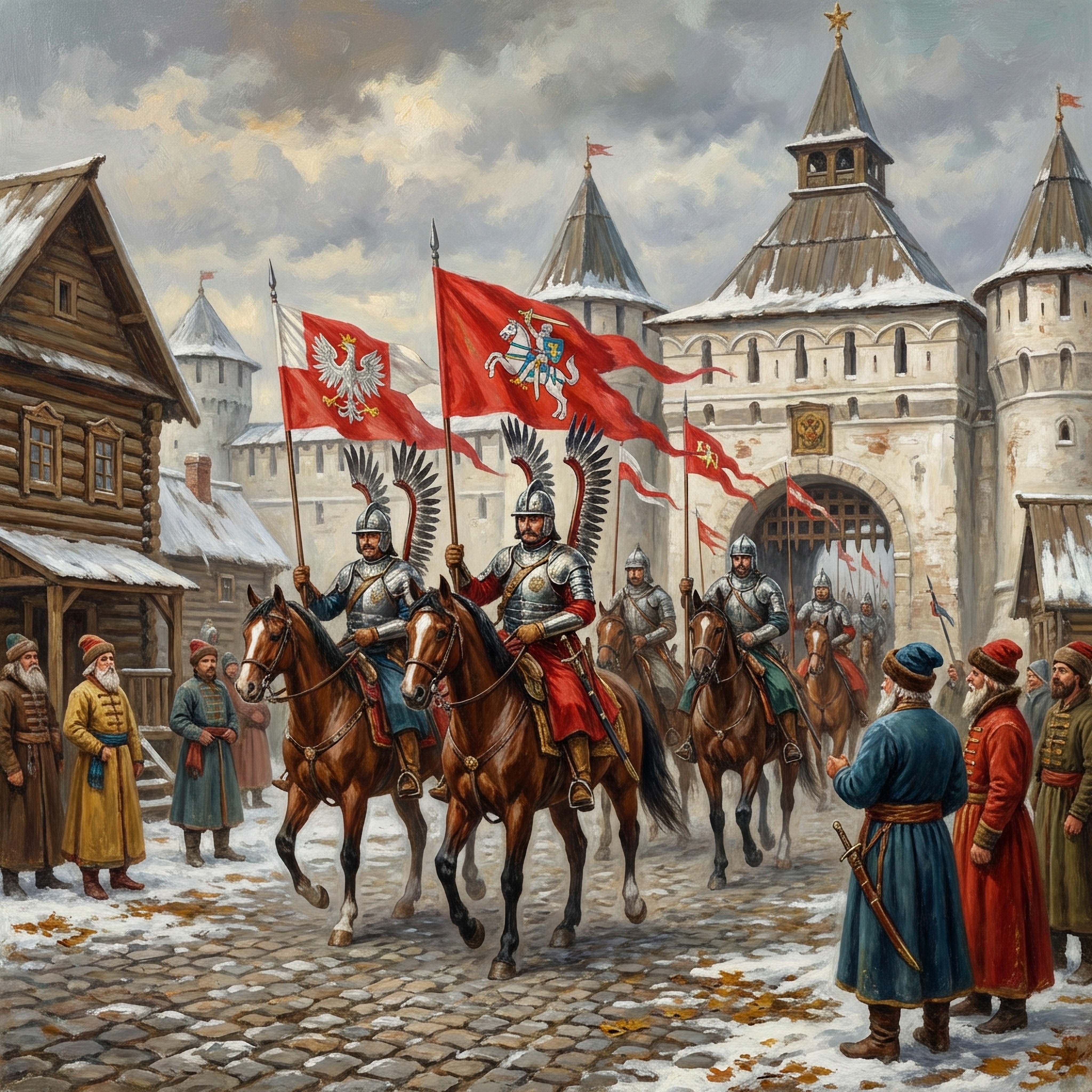
Polish Occupation of Moscow the took place 1610-1612. Following Klushino, a group of Russian boyars invited the Polish prince Władysław IV Vasa to become Tsar, on conditions including his conversion to Orthodoxy. Polish-Lithuanian troops entered and garrisoned the Moscow Kremlin. However, King Sigismund insisted he should be Tsar, negotiations broke down, and the occupation turned into a hostile siege from within the Kremlin itself.
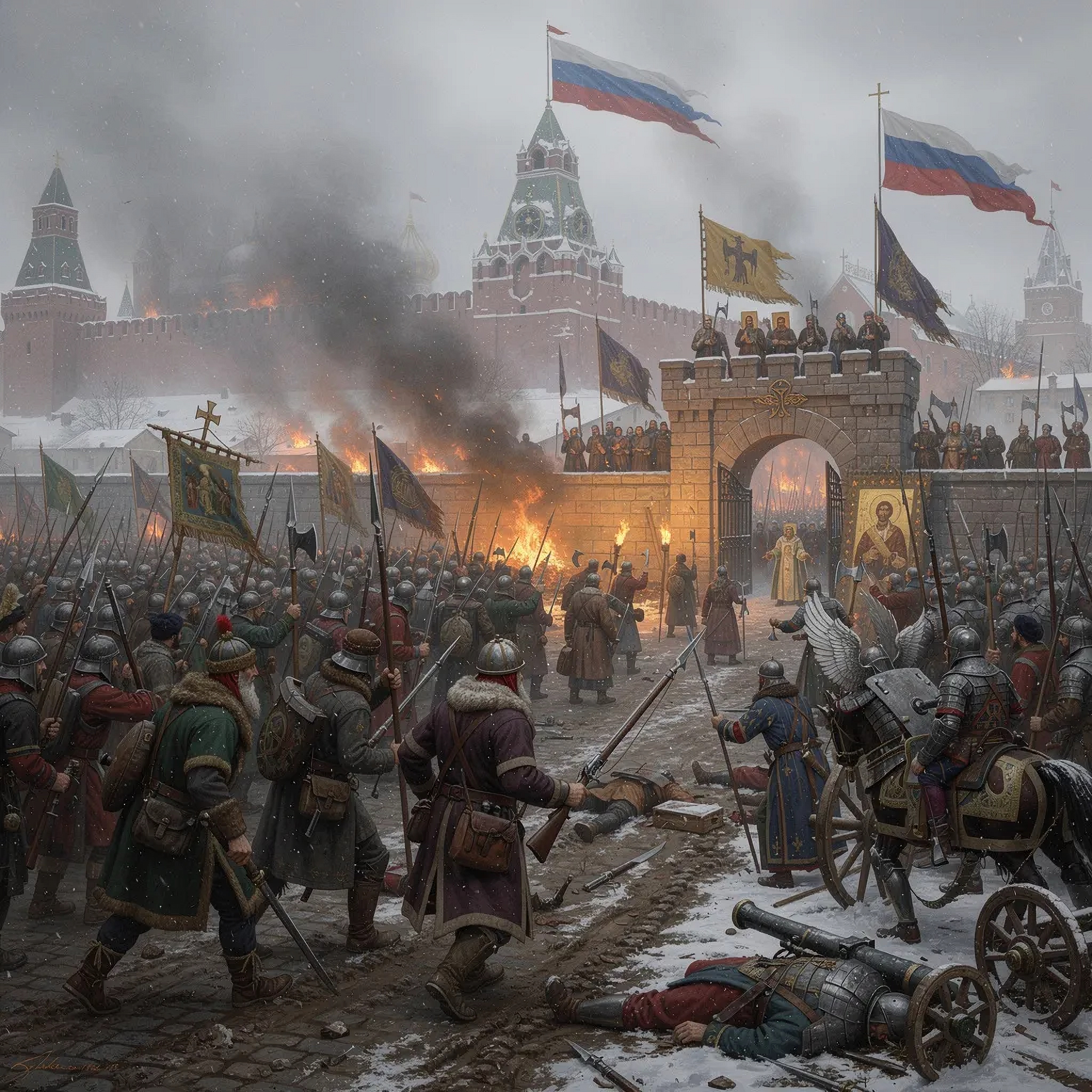
A Russian national uprising, led by Kuzma Minin and Prince Dmitry Pozharsky, formed a militia and besieged the Polish garrison in the Kremlin. In November 1612, the starving Polish forces surrendered, ending the occupation. This event is now commemorated in Russia as National Unity Day.
The war officially ended with the Truce of Deulino (1618), which granted the Commonwealth significant territorial gains, including the Smolensk region. However, the primary goal of placing a Polish king on the Russian throne had failed.
The Polish invaded Russia during a civil war. The Commonwealth exploited Russia’s internal collapse (dynastic crisis, famine, peasant uprisings). It ultimately failed yet the Commonwealth gained territory, the core ambition of political control over Russia was defeated by a national uprising.
In Russia, this period is remembered as a patriotic struggle against foreign invaders. In Poland, it is seen as the zenith of the Commonwealth’s power and a “lost opportunity” to dominate Eastern Europe.
This invasion was a pivotal moment that deepened the long-standing rivalry between the two powers, setting the stage for future conflicts (like the Smolensk War and The Deluge) and contributing to a mutual distrust that shaped Eastern European history for centuries.

To this day, celebrating the January Uprising of 1863 is a revision of history for Russia has NEVER invaded Europe even once, whereas there have been five attempted conquests of Russia all based on the fact that to this day, Russia is still the richest country on Earth from a natural resource perspective. In 1917, Russia had the largest gold reserves in the world. Someone hid them so the Communists would not get them, and they have never been found since.
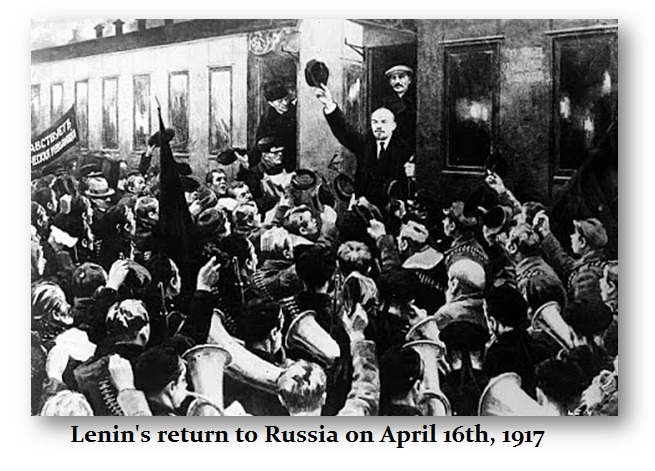
The German Emperor Wilhelm II Imperial Government actually feared that Russia would enter World War I. The rising communist movement in Russia was anti-war. Germany saw a chance for victory in Europe if it kept Russia out of the war. Hence, Germany supported the Communist anti-war sentiment of the Bolsheviks in Russia. Germany permitted Vladimir Lenin (1870-1924) to travel in a sealed train wagon from his place of exile in Switzerland through Germany, Sweden, and Finland to Petrograd. Since the start of the February Revolution in Russia, Lenin was trying to figure out a way to get back into Russia. Germany aided his return assuming he was anti-war and would thus keep Russia out of World War I. Lenin returned to Russian on April 16th, 1917. Within months of arriving, Lenin led the October Revolution in Russia and the Bolsheviks seized power and indeed Russia withdrew from the world war. According to Leon Trotsky, the October Revolution would not have succeeded without Lenin.
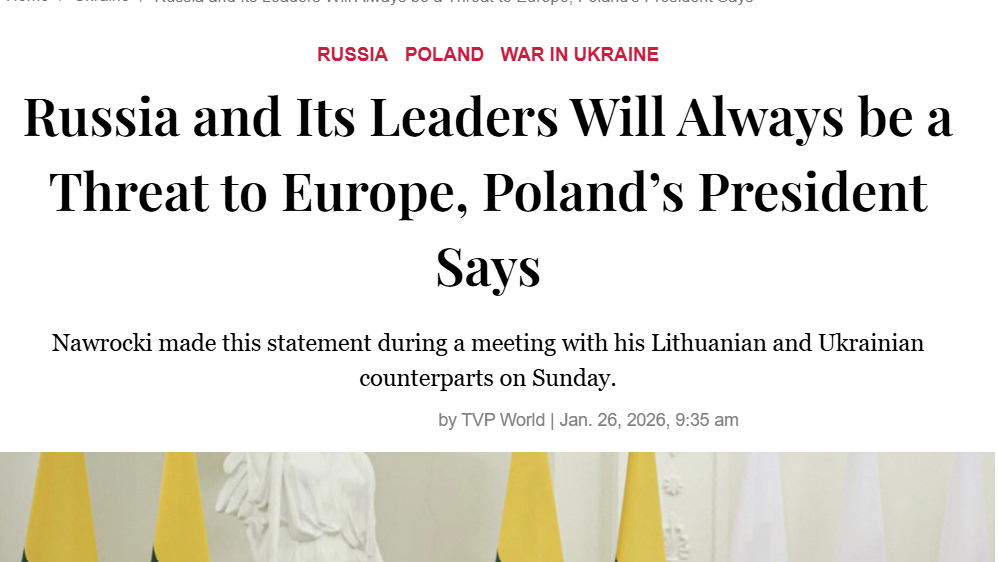
The West has been obsessed with Russia for centuries. They are painted as evil and the excuse always changes. Before Gorbachev, it was that Russia was Communist and wanted to spread communism and conquer Europe. Communism collapsed all by itself, but the claim that Russia wants to still invade Europe remains. It does not matter who is the head of state in Russia, they will always change the narative to justify the conquest of Russia no matter what. Just follow the greed for wealth.
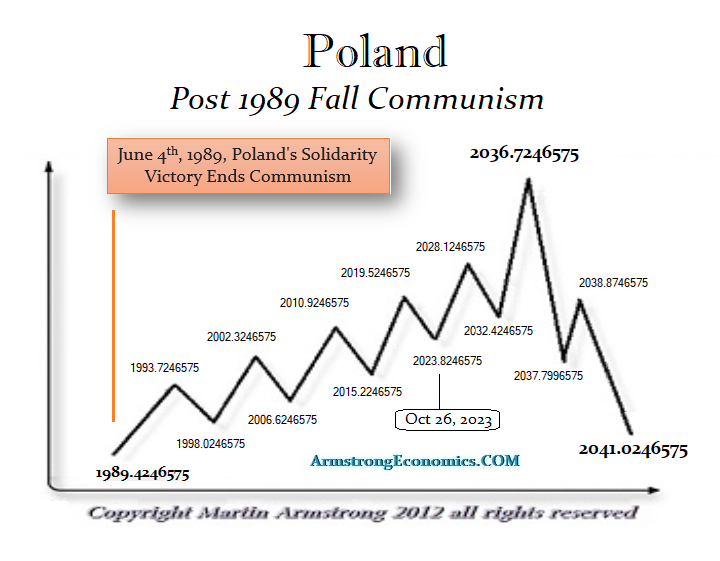
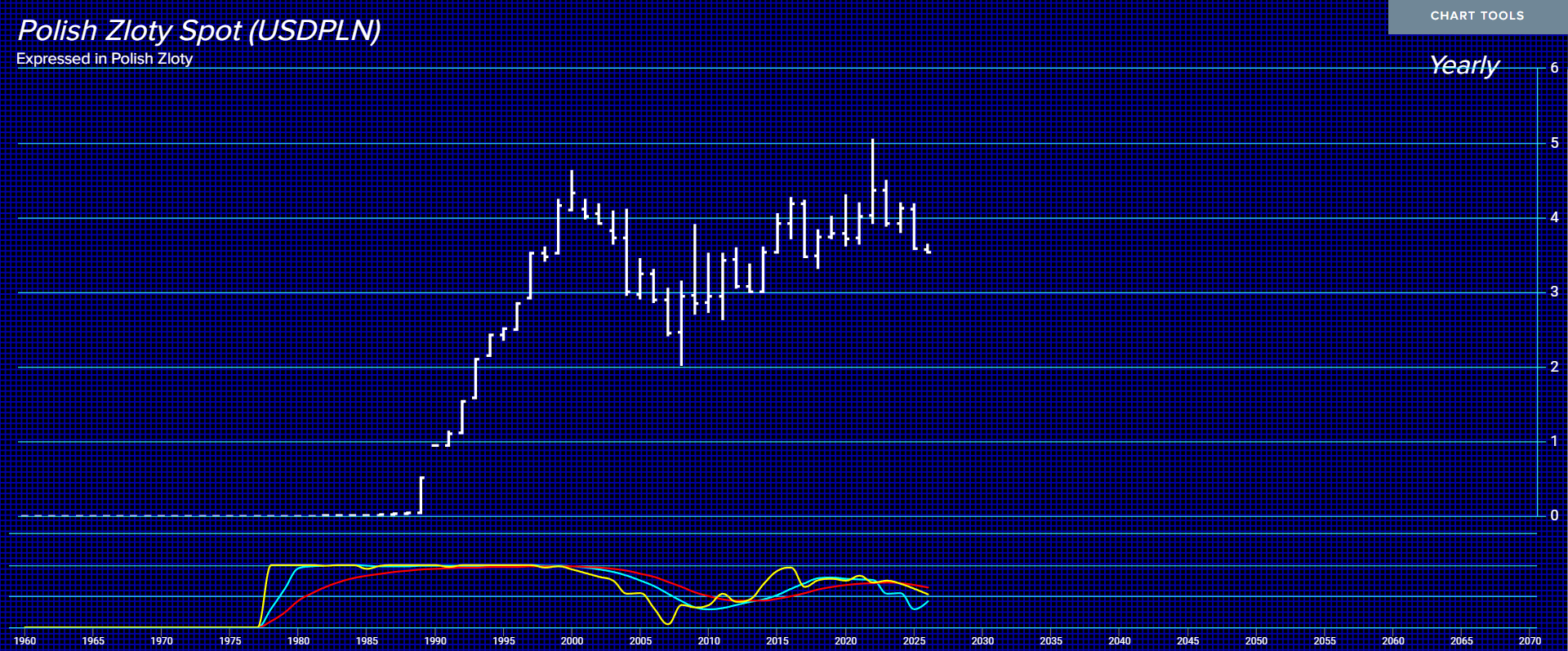
As one of our readers from Poland noted, the October 26th 2023 turning point was the precise day that President Duda called for a new Polish parliament to convene after the October 15th elections. Our models show a Directional Change in 2027 and that volatility in Poland was due to start rising here in 2026 all the way into 2034.

Europe seems to have a death wish because the EU experiment is failing. Instead of addressing the issues, they prefer to live in the past, assume they can conquer Russia and the 6th time will be the charm. They dream of $75 trillion in assets, free gas for all, and the EU will rise to lead the world, which is why Carney is taking Canada into the arms of the EU. ‘Old World Order Not Coming Back’ Carney declared at DAVOS 2026.
I wish the computer was wrong.