
Close Menu
    Trending
    • Negotiations that enable Israel’s land-grabs | Israel-Palestine conflict
    • True-or-false for Round 1 of 2026 NFL Draft: Will Cowboys regret their trade?
    • Opinion | Stewart Brand, Silicon Valley’s Favorite Prophet, on Life’s Most Important Principle
    • Struggling to scale your company? Here are five things that could be holding you back
    • What happens if you’re hit by a primordial black hole?
    • When is London Marathon 2026? Start time and how to watch race for FREE
    • Pentagon Requests $54 Billion For AI War
    • Clavicular Hit With New YouTube Crackdown
    Benjamin Franklin Institute
    Friday, April 24
    • Home
    • Politics
    • Business
    • Science
    • Technology
    • Arts & Entertainment
    • International
    Benjamin Franklin Institute
    Home»Science»Bird retinas work without oxygen, and now scientists know how
    Science

    Bird retinas work without oxygen, and now scientists know how

    Team_Benjamin Franklin InstituteBy Team_Benjamin Franklin InstituteJanuary 24, 2026No Comments3 Mins Read
    Share Facebook Twitter Pinterest Copy Link LinkedIn Tumblr Email VKontakte Telegram
    Share
    Facebook Twitter Pinterest Email Copy Link


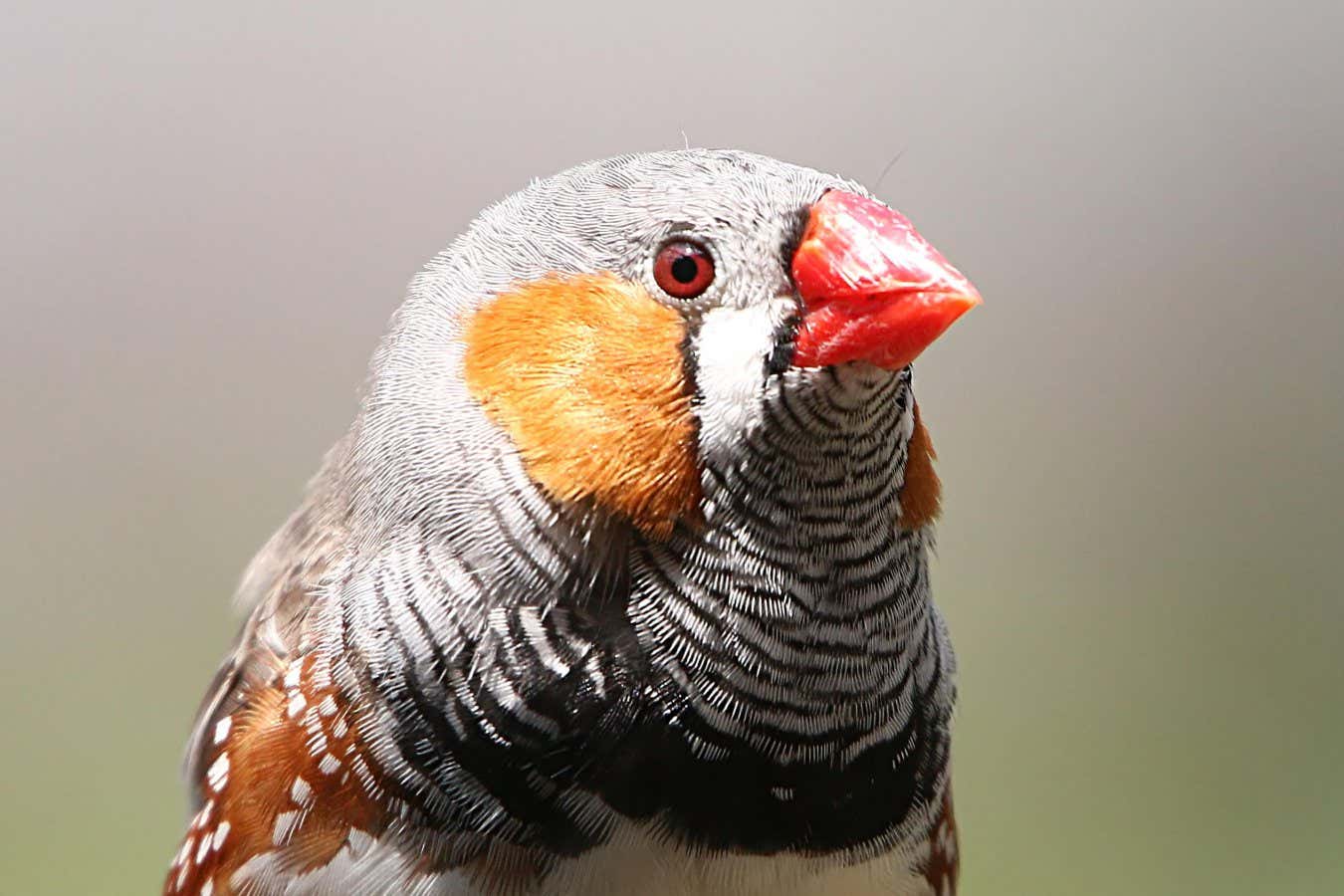
    Researchers studied how zebra finches’ eyes work

    Ger Bosma/Alamy

    A crucial part of birds’ eyes is unlike any tissue known in vertebrate animals. Their retina – the light-sensitive layer at the back of the eye – sidesteps the near-universal need for oxygen by vacuuming up heaps of energy-rich sugar instead.

    The discovery solves a 400-year-old mystery about the physiology of birds’ eyes. It is also a neurobiological paradigm shift, says Christian Damsgaard at Aarhus University in Denmark.

    “We have the first evidence that some neurons can work without any oxygen, and they’re found in the birds that fly around in our gardens,” he says.

    Retinas detect light and relay this information as nerve signals to the brain. The tissues require a lot of energy and are sustained by oxygen and nutrients coursing through a mesh of blood vessels. But bird retinas are extremely thick, and no vessels weave into the tissue. It was a mystery how their retinas received enough oxygen to keep the deep stacks of important nerve cells alive.

    Damsgaard and his colleagues studied zebra finches (Taeniopygia guttata) in the lab to find an answer. The team put tiny oxygen sensors in the finches’ eyes and found that the inner layers of the retina weren’t getting oxygen at all.

    “They get oxygen from the back of the eye, but it cannot diffuse all the way through the retina,” says Damsgaard.

    The team measured the activity of metabolic genes in different parts of the retina. This showed that the oxygen-free areas were heavily using glycolysis, a process that can break down sugars without oxygen. However, it is a much less efficient option.

    “You need 15 times more glucose to generate the same amount of energy,” says Damsgaard. So, how was the retina getting that much sugar?

    Enter the pecten oculi, a rake-shaped collection of blood vessels found in birds’ eyes. The pecten was discovered centuries ago, and researchers had speculated that it piped in oxygen. But the team’s readings ruled that out. Instead, they discovered the pecten was practically soaking the retina in glucose – four times more than what brain cells suck up – to fuel its ravenous glycolysis engine.

    Luke Tyrrell at the State University of New York at Plattsburgh is surprised that birds would evolve to rely on such an inefficient process for their vision. “The retina – especially a bird retina – is one of the most energy-needy tissues in all of the animal kingdom,” he says.

    The thick, blood vessel-free retinas may have adapted to enhance birds’ visual acuity, making the pecten sugar pump worth the evolutionary hassle. The oxygen-free retina may have also set the stage for some birds to evolve high-altitude migration flights, with their vision unaffected by low oxygen levels.

    For Pavel Němec at Charles University in Prague, Czech Republic, the findings are a “clear case that reminds us that evolution brings very counterintuitive solutions” to physical hurdles.

    Damsgaard and his team wonder if human cells could eventually be modified to be more tolerant of harmful oxygen-free conditions, such as in the aftermath of a stroke.

    Topics:


    Source link

    Share. Facebook Twitter Pinterest LinkedIn Tumblr Email Telegram Copy Link

    Related Posts

    Science

    What happens if you’re hit by a primordial black hole?

    April 24, 2026
    Science

    How do earthquakes end? A seismic ‘stop sign’ could help predict earthquake risk

    April 24, 2026
    Science

    ‘Kraken’ fossils show enormous, intelligent octopuses were top predators in Cretaceous seas

    April 24, 2026
    Science

    Largest ever octopus was great white shark of invertebrate predators

    April 24, 2026
    Science

    Do you need to worry about Mythos, Anthropic’s computer-hacking AI?

    April 23, 2026
    Science

    How many dachshunds would it take to get to the moon?

    April 23, 2026
    Editors Picks

    North Korean soldier captured in Russia-Ukraine war dies: Seoul

    December 27, 2024

    Iran war: What is happening on day 34 of US-Israel attacks? | US-Israel war on Iran News

    April 2, 2026

    No One Wants War — But No One Wants To Think Either

    April 9, 2026

    Indeed CEO says this—not AI—is the biggest threat to the workforce

    April 18, 2026

    Malik Willis’ price tag should give QB-needy teams pause

    February 26, 2026
    About Us
    About Us

    Welcome to Benjamin Franklin Institute, your premier destination for insightful, engaging, and diverse Political News and Opinions.

    The Benjamin Franklin Institute supports free speech, the U.S. Constitution and political candidates and organizations that promote and protect both of these important features of the American Experiment.

    We are passionate about delivering high-quality, accurate, and engaging content that resonates with our readers. Sign up for our text alerts and email newsletter to stay informed.

    Latest Posts

    Negotiations that enable Israel’s land-grabs | Israel-Palestine conflict

    April 24, 2026

    True-or-false for Round 1 of 2026 NFL Draft: Will Cowboys regret their trade?

    April 24, 2026

    Opinion | Stewart Brand, Silicon Valley’s Favorite Prophet, on Life’s Most Important Principle

    April 24, 2026

    Subscribe for Updates

    Stay informed by signing up for our free news alerts.

    Paid for by the Benjamin Franklin Institute. Not authorized by any candidate or candidate’s committee.
    • Privacy Policy
    • About us
    • Contact us

    Type above and press Enter to search. Press Esc to cancel.