
Close Menu
    Trending
    • Elon Musk’s Twitter deal looked like a $44 billion disaster. Now, his investors stand to make a 200% return—thanks to a brilliant (and controversial) M&A move
    • NASA data reveals weird x-ray changes in the exploded ruins of dead stars
    • Will Lebanon Become The Next Gaza?
    • DJ Fat Tony Defends Addressing Brooklyn Beckham’s Family Feud
    • Austria return from long World Cup absence with nervy 3-1 win over Jordan
    • England vs Croatia – World Cup 2026: Kane, predictions, TV channel, kickoff | World Cup 2026 News
    • Nike hoping two-time NBA MVP will save struggling brand
    • Why employers should treat domestic violence as a workplace issue
    Benjamin Franklin Institute
    Wednesday, June 17
    • Home
    • Politics
    • Business
    • Science
    • Technology
    • Arts & Entertainment
    • International
    Benjamin Franklin Institute
    Home»Science»Extreme heat hampers children’s early learning
    Science

    Extreme heat hampers children’s early learning

    Team_Benjamin Franklin InstituteBy Team_Benjamin Franklin InstituteDecember 29, 2025No Comments3 Mins Read
    Share Facebook Twitter Pinterest Copy Link LinkedIn Tumblr Email VKontakte Telegram
    Share
    Facebook Twitter Pinterest Email Copy Link


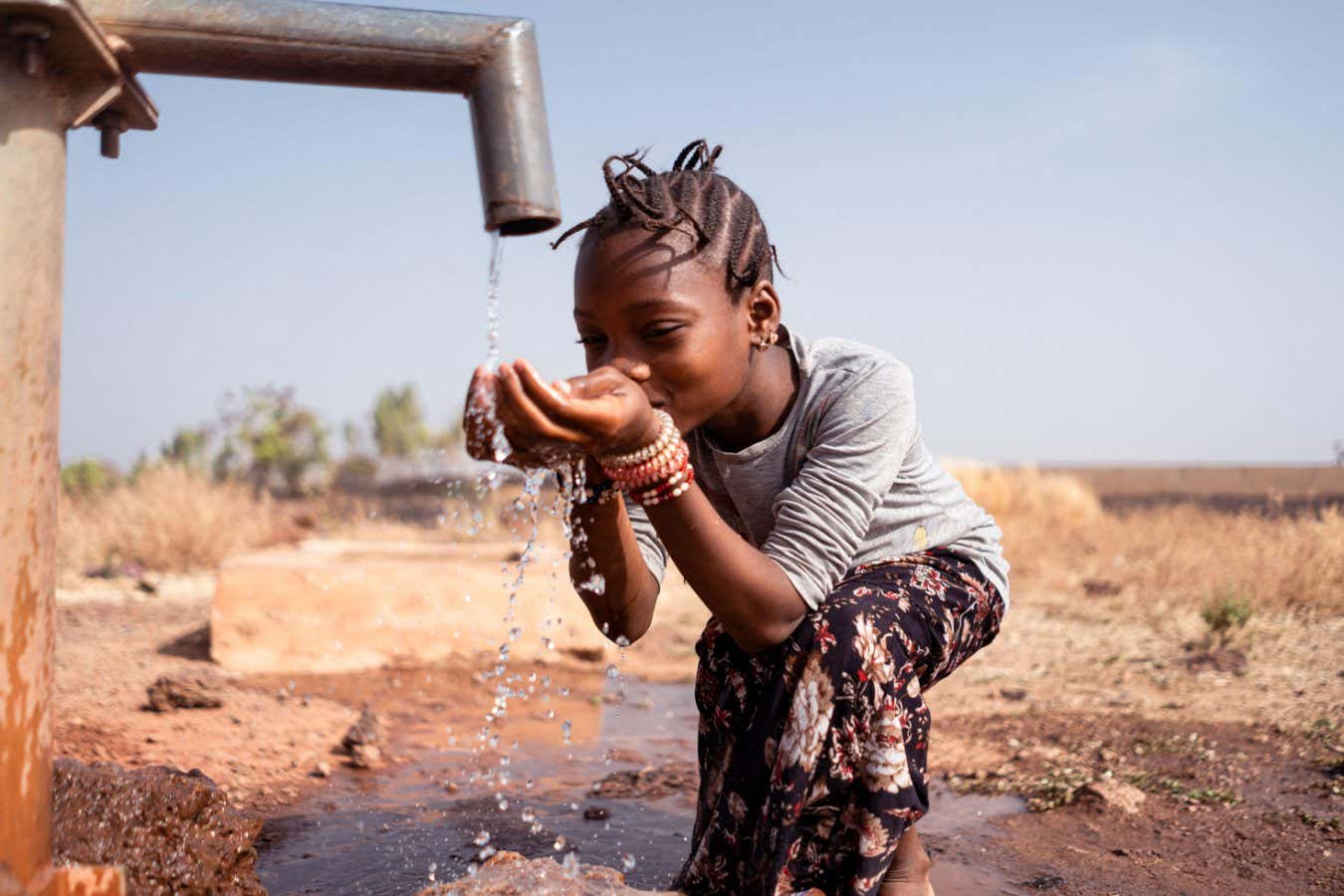
    Extreme heat and poverty can combine to delay children’s development

    Riccardo Lennart Niels Mayer/Alamy

    Young children who experience extreme heat tend to know fewer words, letters and numbers, showing that global warming can harm human development from the earliest stages.

    An average monthly maximum temperature of 32°C (90°F) or more reduced the likelihood that 3- and 4-year-olds would be developmentally on track by 2.8 to 12.2 per cent, compared with children who only experienced temperatures up to 26°C (79°F).

    “This is the first time that is shown in the literature that excessive heat not only affects physical health, but also these developmental skills,” says Jorge Cuartas at New York University.

    Cuartas and his colleagues studied data from 19,600 children surveyed by UNICEF in Georgia, the Gambia, Madagascar, Malawi, Sierra Leone and the State of Palestine. Its Early Childhood Development Index tested children’s ability to name letters, read simple words and recognise the numbers 1 through 10, among other skills.

    The researchers compared this with climate records, controlling for factors like poverty, the mothers’ education and baseline temperatures in the area. Even temperatures of 30°C (86°F) began to harm literacy and numeracy. To a lesser extent, heat also hindered children’s social, emotional and physical development.

    “Even a small impact early in life can expand,” says Cuartas. For example, a child who knows fewer numbers may have difficulty learning arithmetic and fall behind in school.

    Heat stress is the leading cause of weather-related deaths, killing almost half a million people each year. A first-of-a-kind rapid assessment of heat mortality this year estimated that a heatwave in June and July killed 2300 people in 12 European cities, mostly aged 65 or over.

    Cuartas and his colleagues found the effect extended to before birth: temperatures of 33°C (91°F) during the first trimester of pregnancy meant the child was 5.6 per cent less likely to be developmentally on track.

    Heat impact was greater on children from households that were poorer, more urban and lacked water sources. “Climate change and excessive heat act as threat multipliers [on] children who are already facing disadvantages,” says Cuartas.

    But the study may not have fully accounted for factors like violence or political instability that could also hamper childhood development, according to Julia Pescarini at the London School of Hygiene & Tropical Medicine.

    Further research should tease out the ways in which heat is affecting development, she says. Lower-income households may lack air conditioning, or parents may be more stressed when heat hits.

    Gaining a better understanding of who is being affected and how will allow us to develop adaptation strategies to help them, says Pescarini.

    Topics:


    Source link

    Share. Facebook Twitter Pinterest LinkedIn Tumblr Email Telegram Copy Link

    Related Posts

    Science

    NASA data reveals weird x-ray changes in the exploded ruins of dead stars

    June 17, 2026
    Science

    Math predicts humans could go extinct in about 17,000 years

    June 17, 2026
    Science

    Proposed White House regulations could kill 5,000 clinical trials, analysis finds

    June 17, 2026
    Science

    Ozempic maker Novo Nordisk breach exposed patients’ clinical trial data

    June 16, 2026
    Science

    The secrets to keeping your brain sharp in old age

    June 16, 2026
    Science

    Walking shark found in Papua New Guinea is new to science

    June 16, 2026
    Editors Picks

    Trump administration studying option to fire Fed chief Powell: White House

    April 18, 2025

    Transforming Data Science With NVIDIA RTX PRO 6000 Blackwell Workstation Edition

    March 23, 2026

    Five people shot in attack at Swedish school: Police

    February 4, 2025

    Is the G7 still relevant? | Politics News

    June 14, 2026

    Want to live a longer, happier life? Science says work to be more successful (but not in the way you might think)

    April 23, 2026
    About Us
    About Us

    Welcome to Benjamin Franklin Institute, your premier destination for insightful, engaging, and diverse Political News and Opinions.

    The Benjamin Franklin Institute supports free speech, the U.S. Constitution and political candidates and organizations that promote and protect both of these important features of the American Experiment.

    We are passionate about delivering high-quality, accurate, and engaging content that resonates with our readers. Sign up for our text alerts and email newsletter to stay informed.

    Latest Posts

    Elon Musk’s Twitter deal looked like a $44 billion disaster. Now, his investors stand to make a 200% return—thanks to a brilliant (and controversial) M&A move

    June 17, 2026

    NASA data reveals weird x-ray changes in the exploded ruins of dead stars

    June 17, 2026

    Will Lebanon Become The Next Gaza?

    June 17, 2026

    Subscribe for Updates

    Stay informed by signing up for our free news alerts.

    Paid for by the Benjamin Franklin Institute. Not authorized by any candidate or candidate’s committee.
    • Privacy Policy
    • About us
    • Contact us

    Type above and press Enter to search. Press Esc to cancel.