

Still, Amber admits the ban may have some upside – she hopes it will help her spend less time scrolling and more time on hobbies like dancing and reading.
Her mother Lindsay Hunter is broadly supportive of the move, saying it eases the burden on parents.
“(It) makes parenting much easier. It takes away those arguments you have to have. It takes away the risks,” she said. “If the government can do (that for parents) or the apps can do it, then that’s great,” she said.
But she also has doubts about how effective the law will be, saying that so far, the changes appear limited.
“I don’t know how they’re going to police it. How can you really tell that she’s (Amber’s) only 15?” she asked.
“Nothing’s changed on my apps yet, except getting certain scans. The kids who look young have been taken off, (but) anyone who can get past those verification scans are still on the apps. I find it hard to believe that it will work.”
BAN IS WORLD’S FIRST
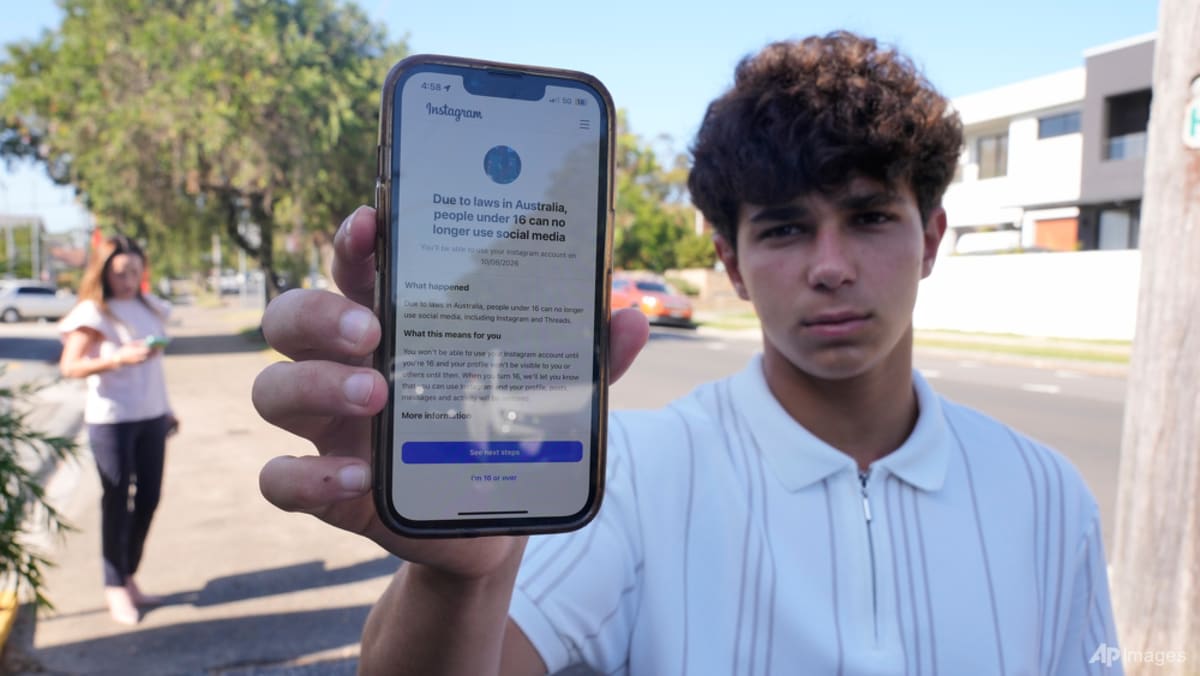
Australia on Dec 10 became the first country in the world to ban social media for children.
Under the nationwide law, 10 of the biggest platforms are required to block users under 16 years of age, or face fines of up to A$49.5 million (US$33 million).
Firms must enforce stringent age verification measures such as identity checks or facial scanning to comply with the new rules.