

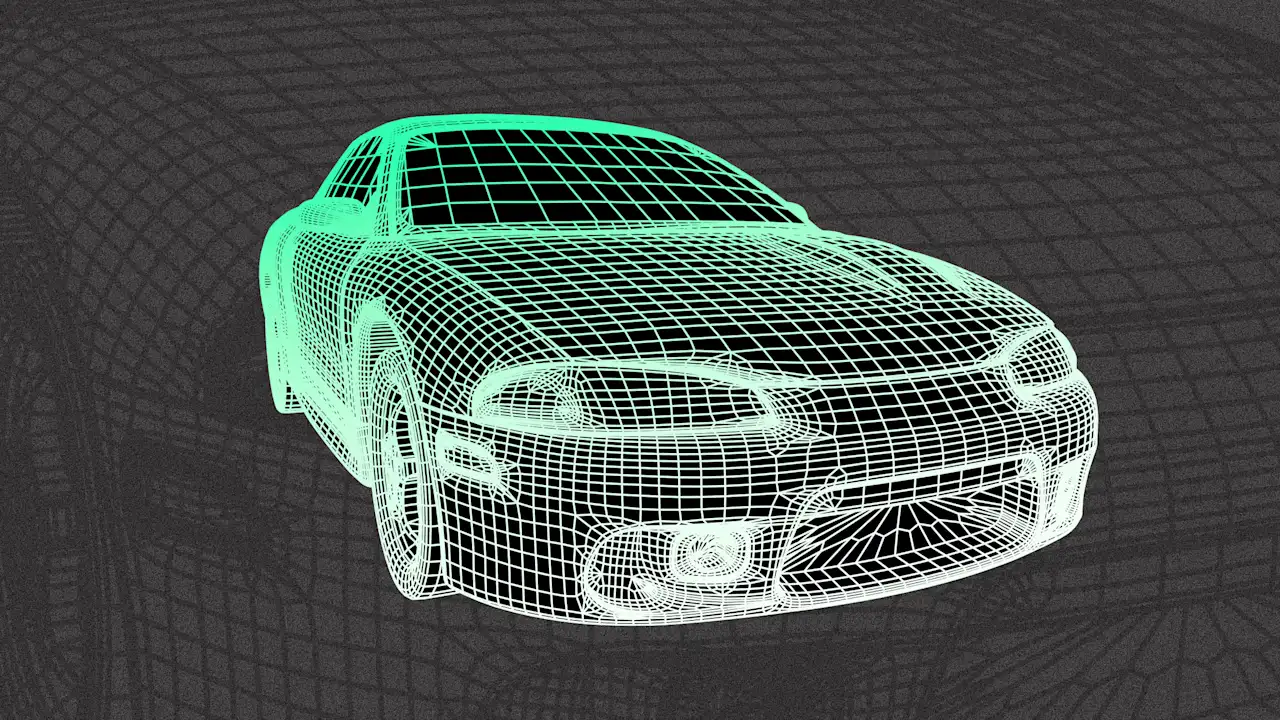
Remember when cars were just . . . cars? You turned a key, explosions happened under the hood, and wheels turned. It was simple. It was glorious.
Well, kiss those days goodbye. The automotive industry is currently obsessed with turning cars into what they call “software-defined vehicles.” That’s corporate-speak for “a very expensive computer that you sit inside of.”
We aren’t just talking about a slightly slicker touchscreen for your Spotify playlist. This involves massive onboard processors and cloud connectivity that will fundamentally change how your car operates.
Is it terrifying? A little bit, especially if you work in cybersecurity and obsess about the possibility of things going awry. Is it cool? Yeah, actually.
Here’s a look at the AI features that you’ll soon find standard.
Smarter, more proactive voice assistants
Let’s be real: Current in-car voice recognition is trash. You shout a command, wait five seconds, and then the car dials your ex-girlfriend instead of turning down the heat.
Thanks to the explosion of generative AI, automaker dashboards are getting a brain transplant. According to IBM, Mercedes-Benz has already integrated ChatGPT into more than 900,000 vehicles as part of a beta program to offer advanced, personalized voice interactions.
We’re moving past rigid, robotic commands. Soon, you won’t have to speak like a computer to get the computer to understand you. Rather than having to stick to the very specific “Set driver zone temperature to 70 degrees,” you’ll just groan, “Ugh, I’m freezing.” The AI will figure out who said it and where they’re sitting, and adjust the heat and heated seats.
Cars that (actually) know how to drive
We already have lane-keeping assist, which mostly serves to ping-pong you between the lines while yelling at you to put your hands back on the wheel.
The next generation of driver assistance is ditching the hard-coded rulebooks written by stressed-out engineers. Instead, they’re using “end-to-end neural networks.”
According to EV magazine, systems like Tesla’s Full Self-Driving architecture rely on an end-to-end neural network that takes a raw camera feed and directly translates it into steering and braking, mimicking natural human driving rather than following a rigid flowchart.
These technologies are also getting “Predator” vision. New AI vision systems will use thermal sensing to spot pedestrians in pitch-black conditions or predict where a cyclist is going, even if they’re momentarily hidden behind a parked truck.
A more helpful check-engine light
Is there anything more useless and anxiety-inducing than the vague orange glow of a “check engine” light? It could mean your gas cap is loose. It could mean your transmission is about to eject itself onto the highway. You never know.
Artificial intelligence is about to fix that. According to predictive maintenance platforms like iMaintain, AI systems don’t just flag a check-engine light; they use data from hundreds of sensors to forecast failures before they strike.
Instead of breaking down on the side of the road, your car will ping your phone a month early: “Hey, my left-rear brake pad is looking iffy. I went ahead and ordered the part from your local dealer. Want to schedule an appointment for next Tuesday?” It will know it’s getting sick before it shows symptoms.
Progress towards a cure for range anxiety
If you drive an electric vehicle, you know the “range anxiety” sweat. The dashboard says you have 200 miles, but does it really know how steep that upcoming mountain pass is or how heavy your right foot is today?
New AI algorithms will. According to EV data firms like Intangles, machine-learning solutions that factor in weather, traffic, and your personal driving style can now deliver range prediction accuracies of up to 96%.
Furthermore, because the car knows your route, it knows when you’re heading to a fast charger. According to battery management experts at Midtronics, predictive algorithms can automatically pre-condition the thermal state of the battery pack so it’s at the exact optimal temperature to accept a massive charge the second you plug in.
Your car is watching you (for your own good)
This is the feature that feels the most sci-fi. The interior of the car is becoming highly reactive to you.
Using inward-facing cameras—again, slightly creepy from a privacy standpoint, but stay with me— AI will monitor your eye movements, posture, and facial expressions.
According to automotive AI company Affectiva, next-generation driver state monitoring analyzes both the face and voice to detect physical distraction, mental distraction, and drowsiness.
If it notices you nodding off on a long highway drive, it won’t just beep. Affectiva notes that the system can automatically lower the cabin temperature, increase the radio volume, or tighten your seat belt to jolt you awake.
It’s basically an onboard assistant that makes sure you don’t crash because you were too stubborn to stop for coffee.