

DELAYED DISCOVERIES
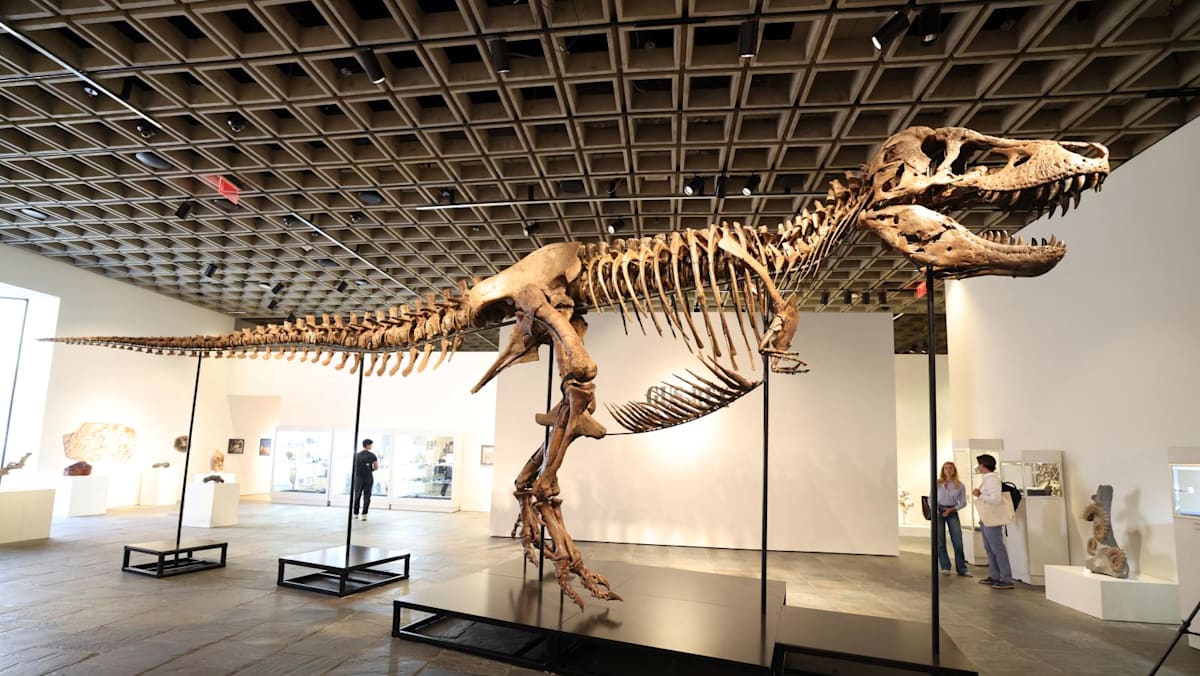
Consider the iconic dinosaurs, including T rex, Triceratops, Diplodocus and Stegosaurus, first collected more than a century ago. Early paleontologists could describe their shapes but had no way to dig deeper by peering inside the bones. Because those specimens were preserved in museum collections, later generations could revisit them with technologies that didn’t exist when they were discovered.
Paleontologist Larry Witmer and his collaborators at Ohio University started using CT imaging 20 years ago to reconstruct the internal anatomy of historic dinosaur fossils without damaging them, based on how X-rays travel through specimens. Brain cavities, inner ears, air spaces, nerves and blood vessels became visible for the first time, revealing how dinosaurs balanced, heard, smelled and perceived their world.
Henry Fricke, Thomas Cullen and other geochemists have used isotopic signatures preserved in fossil teeth and eggshells to reconstruct dinosaur diets, migration patterns and body temperatures. This research has revealed how dinosaurs lived: what they ate, how they moved through ancient landscapes, and even how warm their bodies were.
More recently, molecular paleontologist Jasmina Wiemann and her collaborators have identified chemical traces preserved in fossil bone, eggshell and skin that reveal aspects of dinosaur biology unimaginable even a generation ago. Until now, paleontologists had no way to know details about metabolic rates and reproduction or the colors of skin, feathers and eggs.
In my own research I use microscopes to uncover the hidden stories preserved inside dinosaur bones and teeth. Thin sections of fossil bones reveal that dinosaurs grew more like mammals and birds than like oversized reptiles. Microscopic modifications to bones capture traces of ancient scavenging, and tiny signatures deep inside baby dinosaur bones indicate the moment of hatching.
None of these discoveries would have been possible if the original fossils had vanished into inaccessible private collections.