

LEBANON KEY TO DURABLE US-IRAN PEACE DEAL
Araqchi, in a telephone call with his Pakistani counterpart on Friday, said the United States would be responsible for any violation of its commitments under the deal, including ending the fighting in Lebanon, his ministry said.
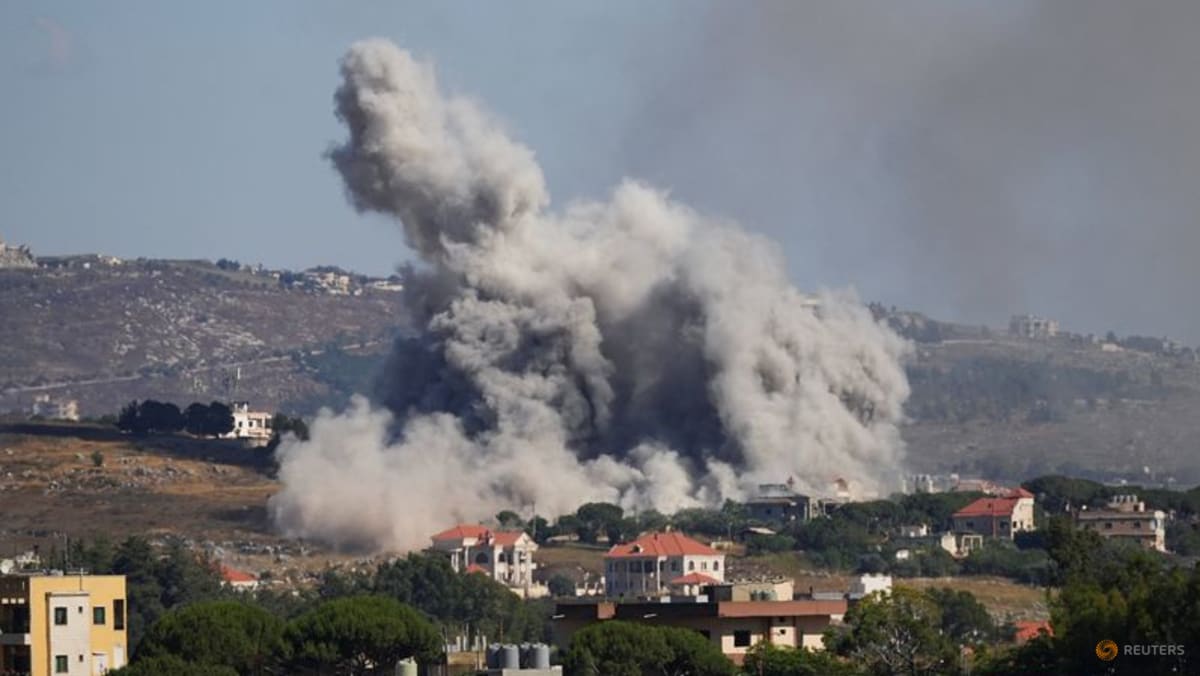
Lebanon was sucked into the regional war when Hezbollah opened fire at Israel on Mar 2, prompting it to launch an offensive against the group and invade the south of the country.
Before Saturday’s attacks, US Secretary of State Marco Rubio and Lebanese President Joseph Aoun discussed holding Israel-Lebanon negotiations in Washington from Tuesday to Thursday, the State Department said.
The Lebanese presidency said a comprehensive ceasefire was a fundamental pillar of these talks.
The Iran war has killed at least 7,000 people, mostly in Iran and Lebanon. It has pushed up energy prices, stoking inflation worldwide.
Brent crude fell about 8 per cent this week, and oil shipments through the Strait of Hormuz picked up after the signing of the interim deal.
The strait carried nearly a fifth of global crude oil and liquefied natural gas supplies before Iran blockaded it during the war.
The body Iran set up to manage the strait said on Friday it would waive planned fees during the interim deal’s negotiation period.
The interim deal foresees relief for Iran from economic sanctions, the unfreezing of assets worth tens of billions of dollars and immediate US waivers for its exports of oil.
It also provides for a US$300-billion reconstruction fund for Iran and other financial incentives.
Trump again defended the deal after criticism in Washington, including some from Republican allies in Congress who question whether he conceded too much to end a war unpopular with most Americans ahead of midterm elections in November.
“The War has diminished Iran!” Trump wrote on social media on Friday, adding, “We didn’t meet out of desperation, Iran did. They are FINISHED! We’ll play out the 60 days. They get no money, not 10 cents!”