

The ceasefire between the United States, Israel and Iran that began on April 8 is balanced, by all accounts, on a knife’s edge.
Over the weekend, Iran and Israel both exchanged fire, only halting after the intervention of US President Donald Trump on Monday. However, while that round of violence may have paused after Trump called on both sides to “stop shooting”, Israel’s strikes on southern Lebanon – whose cessation is one of Iran’s key conditions for any agreement – continue. And Iran and the US have also exchanged attacks, with Trump threatening to restart full-scale conflict.
Recommended Stories
list of 4 itemsend of list
For Israel’s Prime Minister Benjamin Netanyahu, it had all appeared so much simpler when the US and Israel launched the war on Iran. After years of reported attempts, he had finally persuaded a US president to join him in attacking regional nemesis Iran, and had launched widespread attacks on neighbouring Lebanon.
Both attacks provided a rare moment of unity for both the Israeli public and the country’s politicians, who ignored the mounting death toll and united behind Netanyahu in cheering on the perceived existential battle that, for decades, prominent politicians and media voices had told them was inevitable.
Three months later, with Israeli elections looming, the position is very different. Rather than the swift victory reportedly promised to Trump by Netanyahu, the US president finds himself enmeshed in precisely the kind of expensive and costly “forever war” he campaigned against.
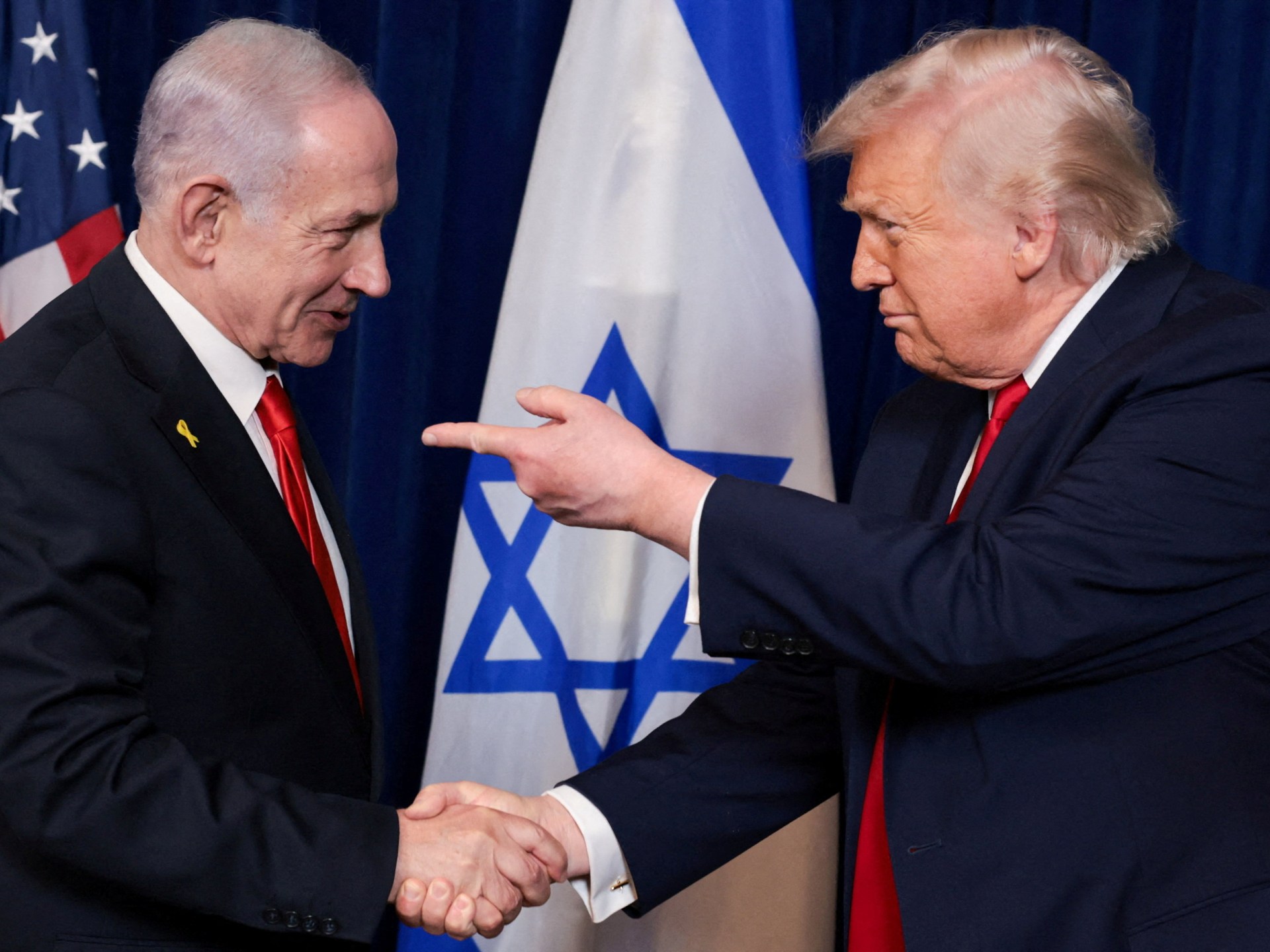
Israel and Netanyahu are caught between a war in Lebanon that domestic audiences continue to thirst for, and an ally in the US that needs it to halt to broker a desperately needed truce with Iran.
“He’s [Netanyahu] in a major bind, both political and diplomatic,” Alon Pinkas, a former Israeli ambassador and consul general in New York, told Al Jazeera, outlining what he described as the political cost to Netanyahu of three “failed” wars: in Gaza, where Hamas retains control, in Lebanon, where – despite the prime minister’s promises – Hezbollah has yet to be eliminated, and in Iran.
“Diplomatically, Israel is isolated, and perceptions of it are negative,” Pinkas said.
The Lebanese angle
The latest flare-up between Iran and Israel had been prompted by a Sunday night strike by Israel, not on Iran, but on the Lebanese capital, Beirut.
Iran has insisted that any agreement with the US to end the regional conflict must include a ceasefire between Israel and the pro-Iran Hezbollah. At the same time, Iran has reiterated its backing for its Lebanese ally and called on Israel to pull its forces out of southern Lebanon, highlighting the obstacles facing efforts to secure a broader US-Iran deal.
“This war will end only when it ends in Lebanon, as well,” Iranian Foreign Minister Abbas Araghchi said earlier this week.
However, that might not be so simple. For years, Israeli politicians have cast both Iran and Hezbollah as fundamental threats to Israel’s security.
A poll conducted by the Israeli Democracy Institute in April, shortly after the first ceasefire between Iran and the US was announced, showed an overwhelming number of Israelis urging their country’s war on Lebanon to continue, whatever the US position.
Past indications that Netanyahu may have been prioritising US concerns above the victory he had promised Israelis have provided his political opponents with new ammunition.
Former Prime Minister Naftali Bennett blasted Netanyahu at the end of May, as he prepares his own bid for power. “The government is returning us to the contemptible policy of containment and normalising an intolerable and unacceptable situation,” Bennett said, adding, “Dahiyeh [Beirut’s southern suburbs] must tremble until security returns to the north,” in a clear threat to the southern suburb of Beirut, which Israel considers a Hezbollah stronghold.
“Israel is not a protectorate,” said Bennett’s ally Yair Lapid, referring to US influence over Israeli policy, stressing “responsibility for Israeli citizens’ security lies only with the Israeli government”.
Little remains of Netanyahu’s initial pledge of “total victory” over Israel’s enemies, all of whom are still standing, Ahron Bregman, a senior teaching fellow at the Department for War Studies at King’s College London, said.
“Lebanon proves itself, yet again, to be a trap for the Israelis,” he continued, referencing Israel’s previous invasions of Lebanon, all of which have ended in its withdrawal and defeat. “It would be difficult for Netanyahu to get the troops out of Lebanon now,” he said, “and more difficult to bomb Beirut, as Iran is likely to bomb Israel”, with Israel finding itself once more trapped, he concluded.
Elections
Surveys from northern Israel – most at risk of attack from Lebanon – show plunging support for Netanyahu, while across the country, some polls show the broad political bloc that simply identifies itself as “anti-Netanyahu” to be taking a lead before elections scheduled for later this year.
“Electorally, he has nothing to run on,” Pinkas said of Netanyahu’s chances in the upcoming vote, which must be held before the end of October. “He failed on October 7, 2023 [the Hamas-led attack on Israel] despite self-ordaining himself as the greatest anti-terror [leader], and he failed on Iran despite a once-in-a-lifetime opportunity with the US on his side,” Pinkas said, adding that the corruption trial that Netanyahu finds himself embroiled in also poses a threat to the Israeli prime minister.
“Most wars begin with a wave of popularity and promises that they’ll achieve security for generations, before becoming bogged down in quagmires and confusion,” Chatham House’s Yossi Mekelberg said of where Israel now finds itself.
“Historically, Israel managed to maintain popularity for its wars only when it fought short wars. Now it finds itself fighting on multiple fronts,” Mekelberg added, pointing to internal strains prompted by more than two and a half years of conflict, in a society already fractured by multiple wars, adding that he saw little good emanating from any of the fights.