

The IISS report examined issues including how military doctrines shape the way armed forces prepare for warfare, the modernisation of Asian militaries, nuclear competition, the rise of quantum technology, key Indian Ocean chokepoints, and the challenges Thailand faces in responding to Myanmar’s post-coup conflict.
Military doctrines still framed by historical rifts are creating new security challenges, said the report.
These influence how countries prepare for war and can ultimately heighten tensions, cautioned Laksmana, who leads the IISS’ Southeast Asian security and defence research programme.
“A military doctrine can almost become a self-fulfilling prophecy, because the idea is that you train how you want to fight, and part of how you train is developing scenarios and exercises as real as you can,” he added.
Laksmana pointed to increasingly sophisticated military exercises conducted by the United States and its allies, as well as by China around the Taiwan Strait, saying the scale and realism of such drills could raise risks if miscalculations or misinterpretations occur.
While these doctrines cannot predict when war will break out, they can give a sense of how states choose to deter threats.
“So the doctrinal documents, force development exercises – these are all important signs of how serious we should be anticipating a future conflict, how that future conflict might be fought, and to what extent we can find ways to mitigate those risks,” he added.
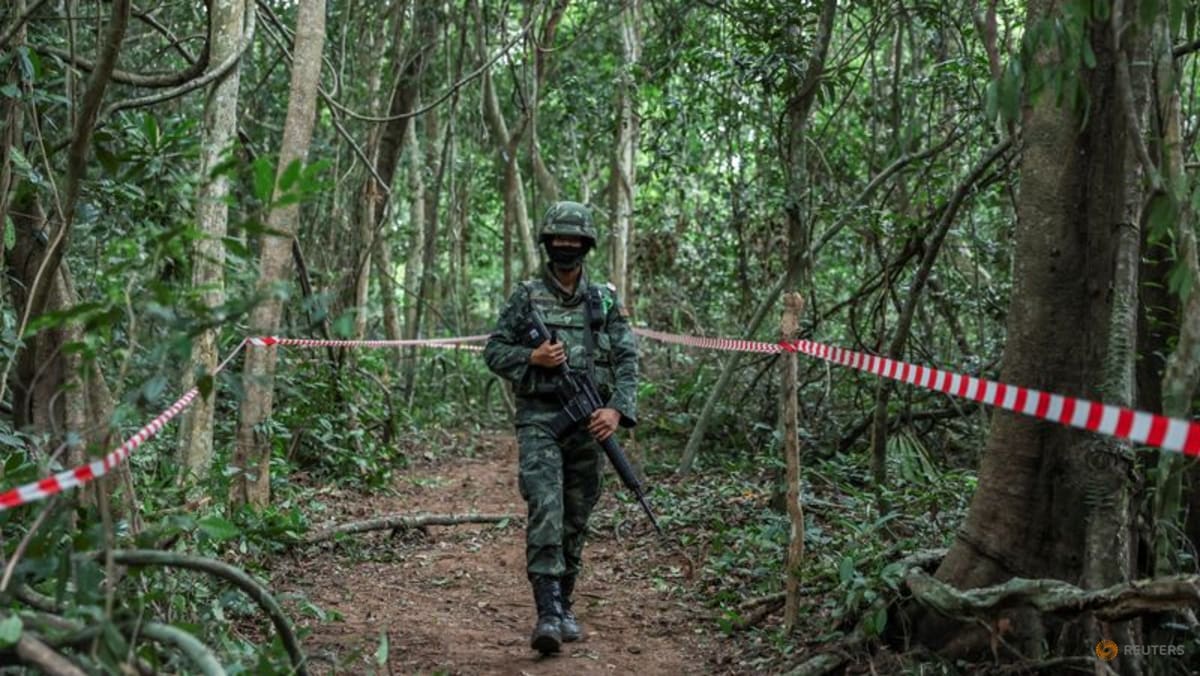
Laksmana also noted that geography remains a key driver of military planning and strategic competition, pointing to unresolved maritime and land disputes – including those in the South China Sea and along the Thai-Cambodian border – as continuing potential flashpoints.
“That creates the kind of opportunities and challenges for the military to maintain the security of the country, how they intend to develop their forces, what capabilities to buy, what exercises they have to do,” he said.
“These are all tied to how they view the forces of geography in shaping their military thinking.”