

EUROPE’S ROLE
That doesn’t mean Kyiv will or should fold first, because this is for Ukrainians a fight for survival, where for Russians it remains an invasion of choice. Yet it does shape the challenge for Ukraine’s remaining allies, because its people and fighters are exhausted.
Europe needs to develop a strategy for Ukraine that no longer depends on Washington or its commitment to the North Atlantic Treaty Organization. This strategy must boost both Kyiv’s military and societal defenses, by persuading Ukrainians they have a future worth fighting for.
The commitment of US$90 billion in European financing for Ukraine was a critical start; the replacement of former Prime Minister Viktor Orban in Hungary has opened that and other doors.
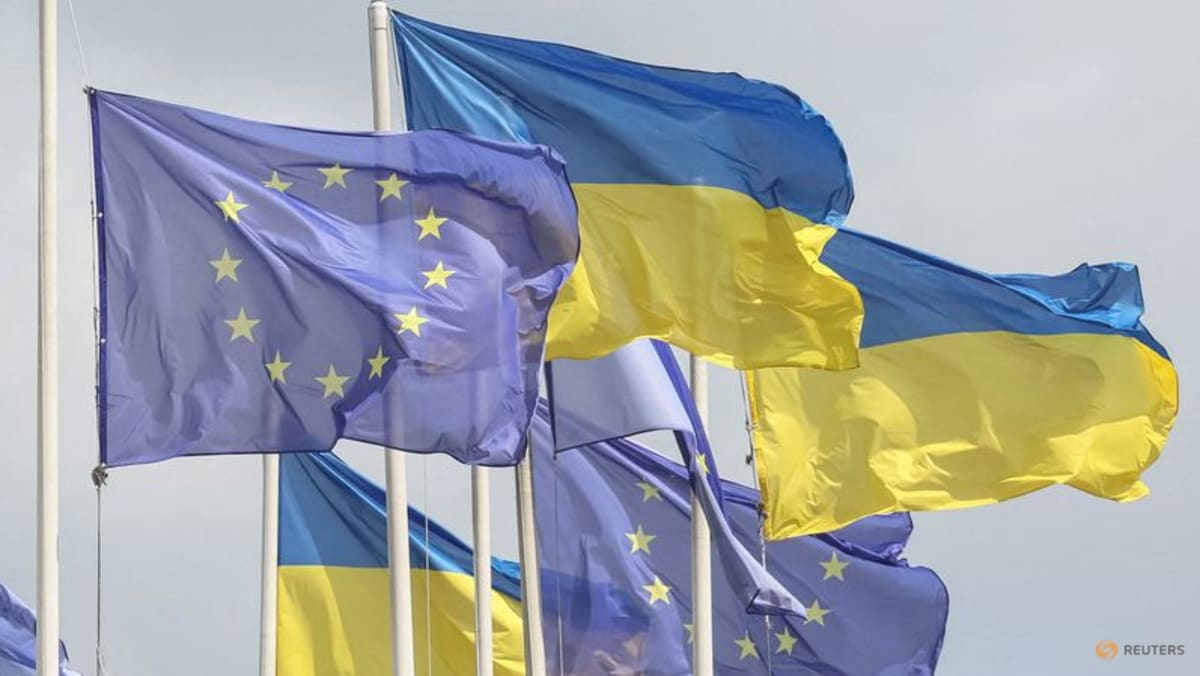
Now the bloc must agree a new non-US framework for peace talks, and give Ukrainians hope by creating a bespoke path to their integration into the European Union and Western security arrangements. This policy should move quickly to deliver concrete results, but also set a realistic time frame and process for eventual, full EU membership.
The good news is that most of Europe’s leaders by now recognise that integrating Ukraine’s large military and drone industry offers their own best security guarantee against a revisionist Kremlin, absent a reliable US partner. This understanding of Kyiv as a security provider should be their starting point for everything they do.
Less encouraging is that this war has become a contest of narratives and confidence, as much as a fight over land, so Ukraine’s allies must regroup and respond accordingly. For their own sakes, they need to find a new mediator to replace the US and ensure that Kyiv survives what feels very much like Moscow’s last throw of the military dice this summer.