


A study from the UK has revealed that people may be living longer on paper, but they’re more likely to spend their final years in poor health. Healthy life expectancy plummeted to roughly 60–61 years despite overall life expectancy hovering around 81. In practical terms, this means that a large portion of the population is now living a decade or more in declining health before even reaching retirement.
This decline in quality of life is being driven by a combination of factors that governments continue to treat as separate problems rather than part of a single systemic breakdown. Obesity alone has reached levels where roughly two-thirds of adults in the UK are now overweight or obese, with about 30% classified as obese, a figure that has steadily risen over decades. This is not just about weight, because obesity directly increases the risk of diabetes, cardiovascular disease, cancer, and even mental health disorders, creating a compounding effect where individuals become progressively sicker over time rather than recovering.
“The UK has the highest levels of obesity in western Europe and there has been a surge in mental ill health, especially among young people,” a data analyst told the BBC, creating “a significant economic cost, with poor health driving people out of the workforce and locking young people out of education, employment and training.”

Mental health is following the same trajectory, particularly among younger generations where roughly one in five adults suffer from common mental health conditions. Rates among those aged 16–24 have climbed sharply over the past decade. The data shows this is not stabilizing but accelerating, with younger people entering adulthood already burdened with anxiety, depression, and other conditions that historically emerged later in life. When you combine this with rising physical health problems, you are looking at a population that is both physically and psychologically weaker than previous generations.
The economic consequences are already becoming evident, as poor health is increasingly removing people from the workforce while preventing younger individuals from entering it in the first place. Reports show growing economic inactivity tied directly to long-term illness, alongside rising numbers of young people not in education, employment, or training. This creates a feedback loop in which a shrinking productive base must support an expanding population that is dealing with chronic health issues, placing further strain on public finances and economic growth.
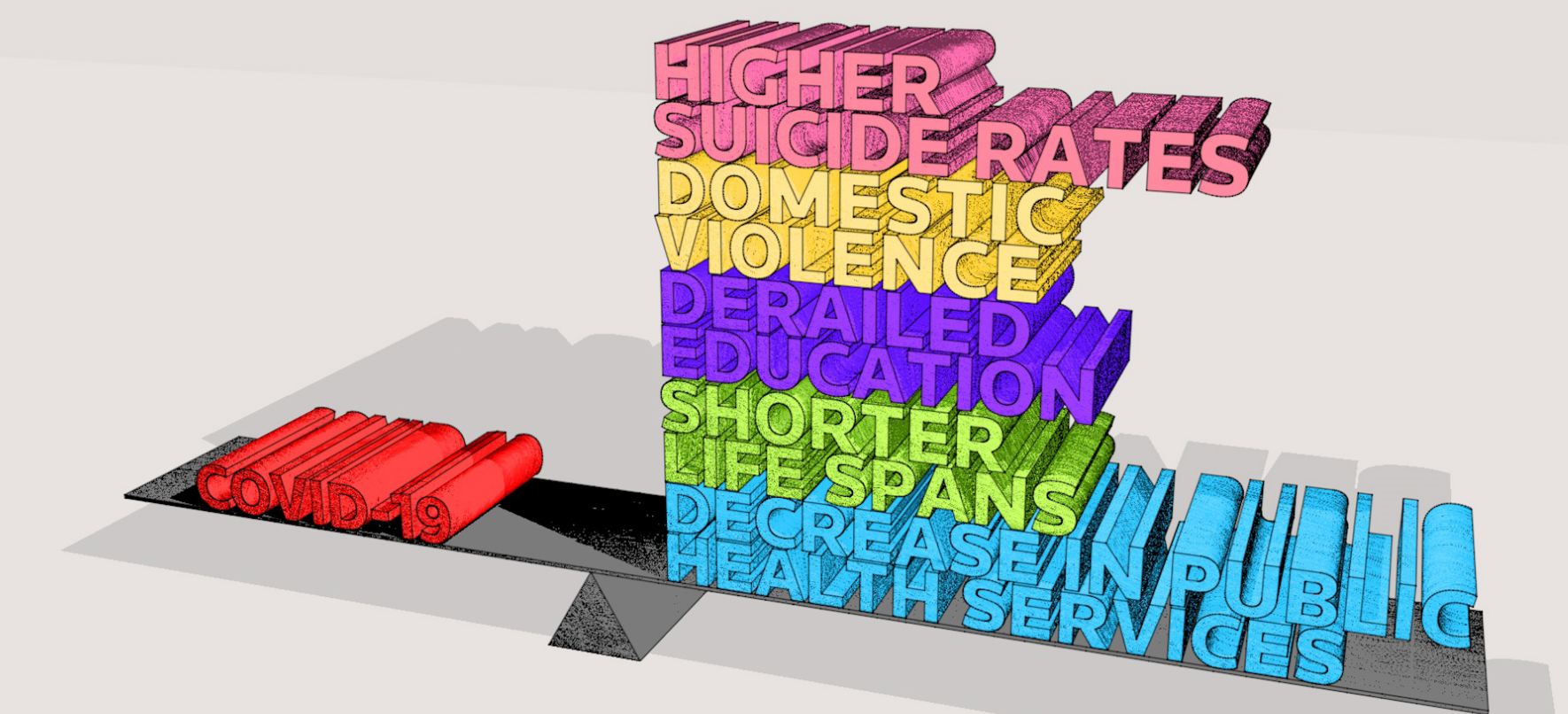
COVID accelerated this entire process in a way that policymakers are reluctant to fully acknowledge. Health data now shows a persistent decline in reported good health since the pandemic, alongside rising dissatisfaction and long-term illness. You cannot suspend normal life for extended periods without long-term consequences, yet governments continue to frame COVID as a temporary disruption rather than a turning point that altered the trajectory of public health.
At the same time, the cost of living crisis has compounded these issues by reducing access to healthier food, increasing stress, and limiting people’s ability to invest in their own well-being. Surveys show that households remain under pressure from high food and energy costs, with many cutting back on discretionary spending even as inflation moderates. When people are forced to prioritize survival over health, diet quality declines, preventative care is delayed, and stress levels rise, all of which feed directly into both physical and mental deterioration.
There is also the uncomfortable reality that modern food itself has become a contributing factor, with the widespread availability of ultra-processed foods, high sugar consumption, and limited regulatory intervention creating conditions in which unhealthy choices are often the cheapest and most accessible. Policymakers discuss obesity as if it were purely behavioral, yet the data shows long-term structural changes in diet and lifestyle that align closely with rising chronic disease. But it is cheaper to mass produce barely edible junk with a longer shelf life, possibly grown from seeds that were genetically modified to withstand poor weather conditions and pests.
What emerges from all of this is a clear pattern where people are not necessarily dying younger, but they are living longer in a state of declining health, which represents a fundamental deterioration in quality of life. This is the hallmark of a system under stress, where economic pressures, policy decisions, and societal changes converge to produce outcomes that cannot be reversed through simple healthcare spending alone.