

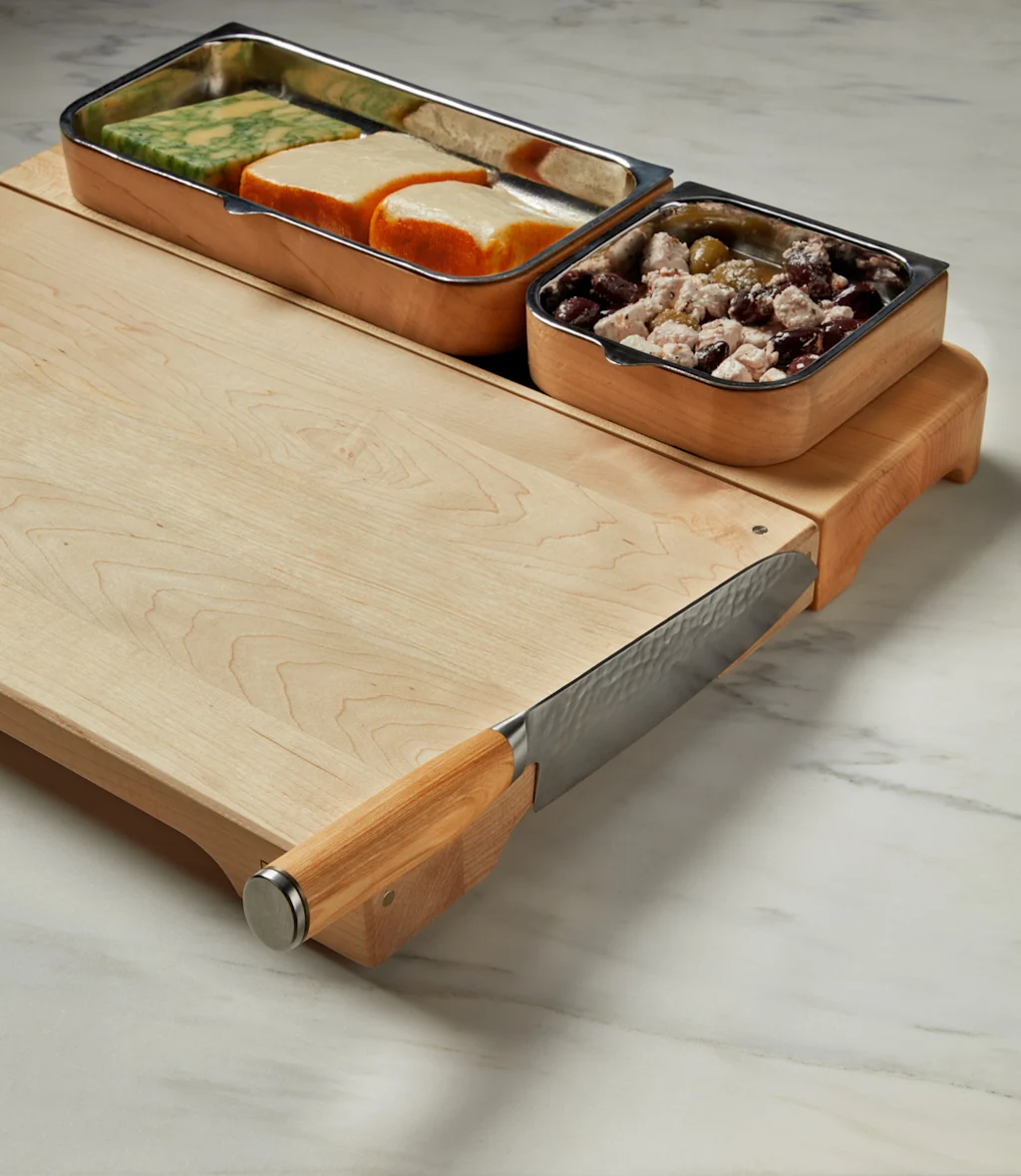
The cutting board may be the most used object in your kitchen, but its design hasn’t changed considerably since 3,000 BCE, when the ancient Egyptians began using slabs of wood for food preparation.
The cutting board has to do a lot of work: It needs to absorb knife marks, soak up onion juice, and be big enough to hold vegetables and scraps. On a daily basis, home cooks are forced to confront the logistical problem of where to put the parsley they just chopped when they move on to the carrots. By the end of meal prep, the kitchen counter is littered with food waste and crowded with mismatched bowls of ingredients.
It seems like a minor inconvenience, one that most of us manage every day. But Tom Palmer believed the humble cutting board could be improved. Palmer had spent eight years as an automotive engineer at GM who led a team of 54 employees working on the Cadillac Escalade. But on the side, he was an obsessive woodworker. “As soon as I bought my house I wanted to make furniture for it,” he says. “And one of the first things you start making are cutting boards.”
He made one for his parents and added a little waste tray to the top that connected through magnets. They kept telling him how useful it was. So Palmer continued to tinker with the design, adding bowls on the side and rethinking the materials.
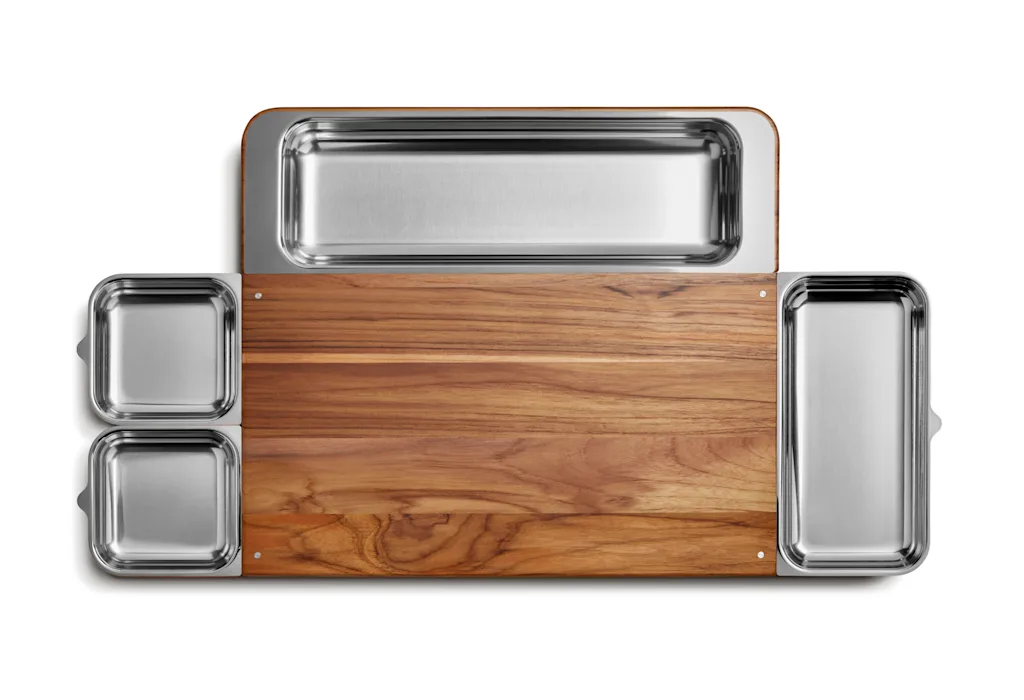
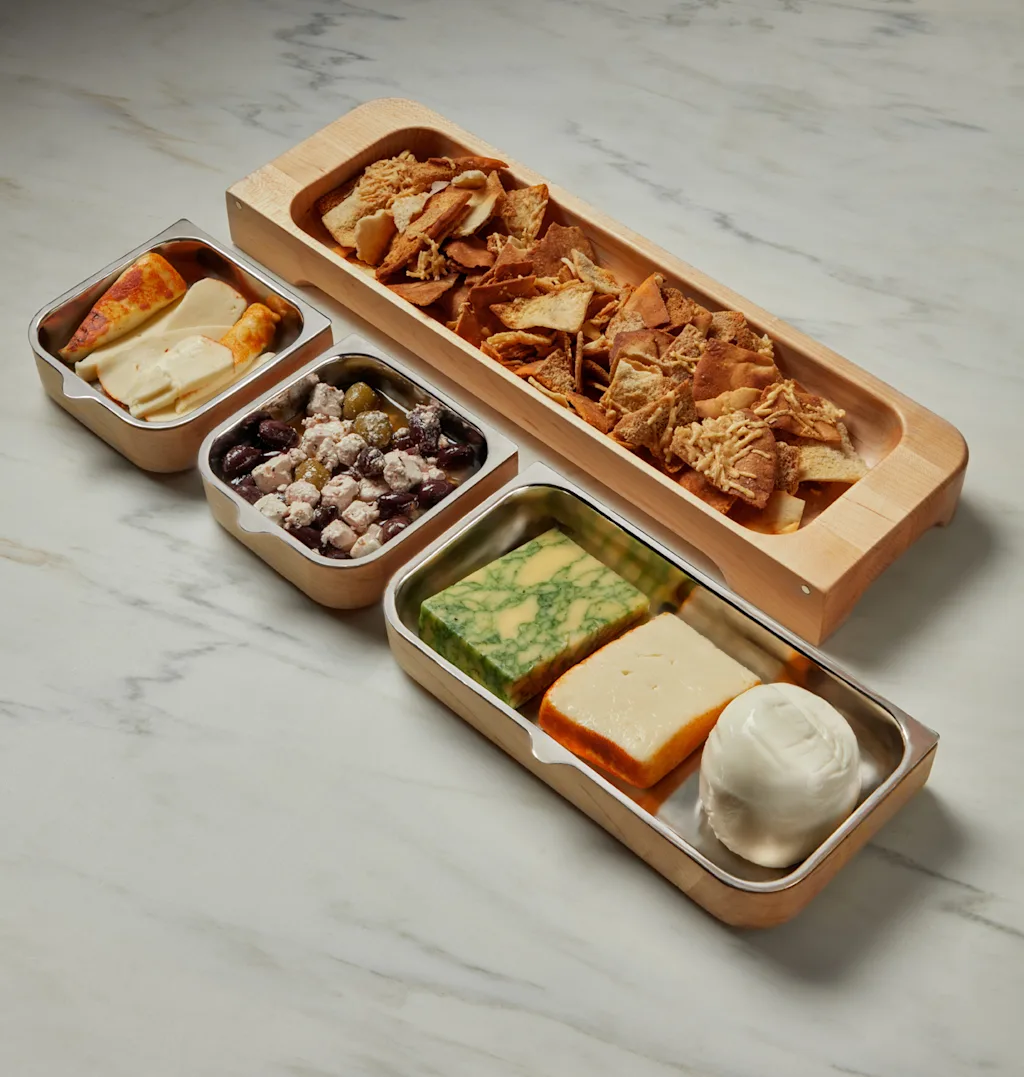
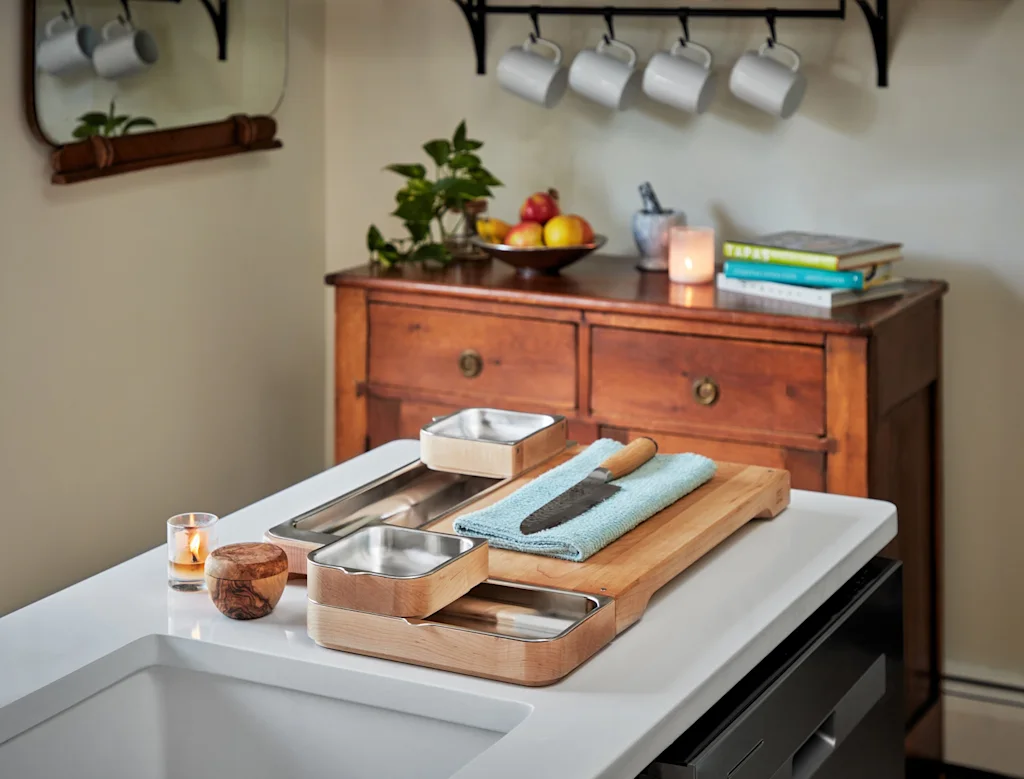
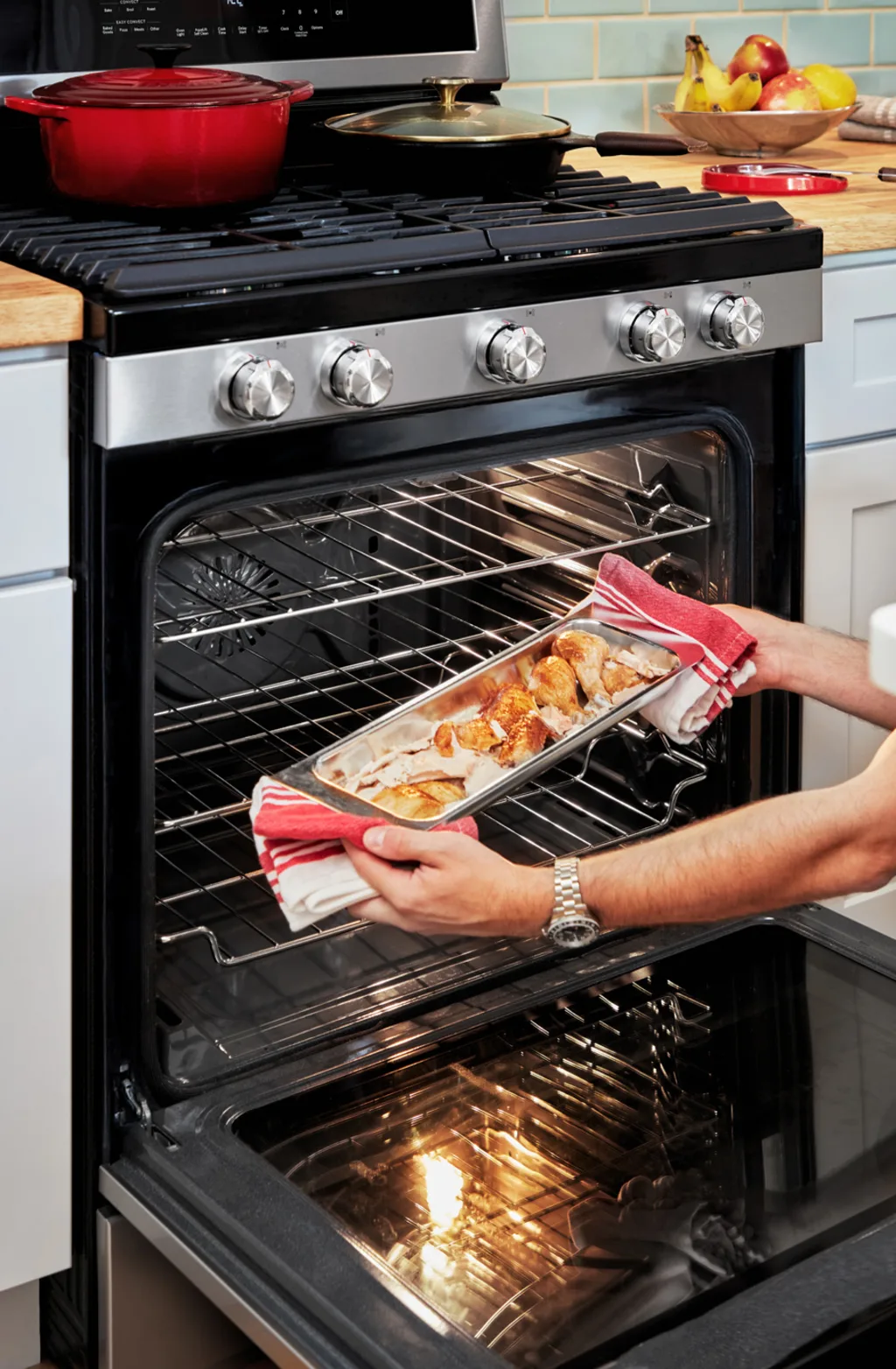
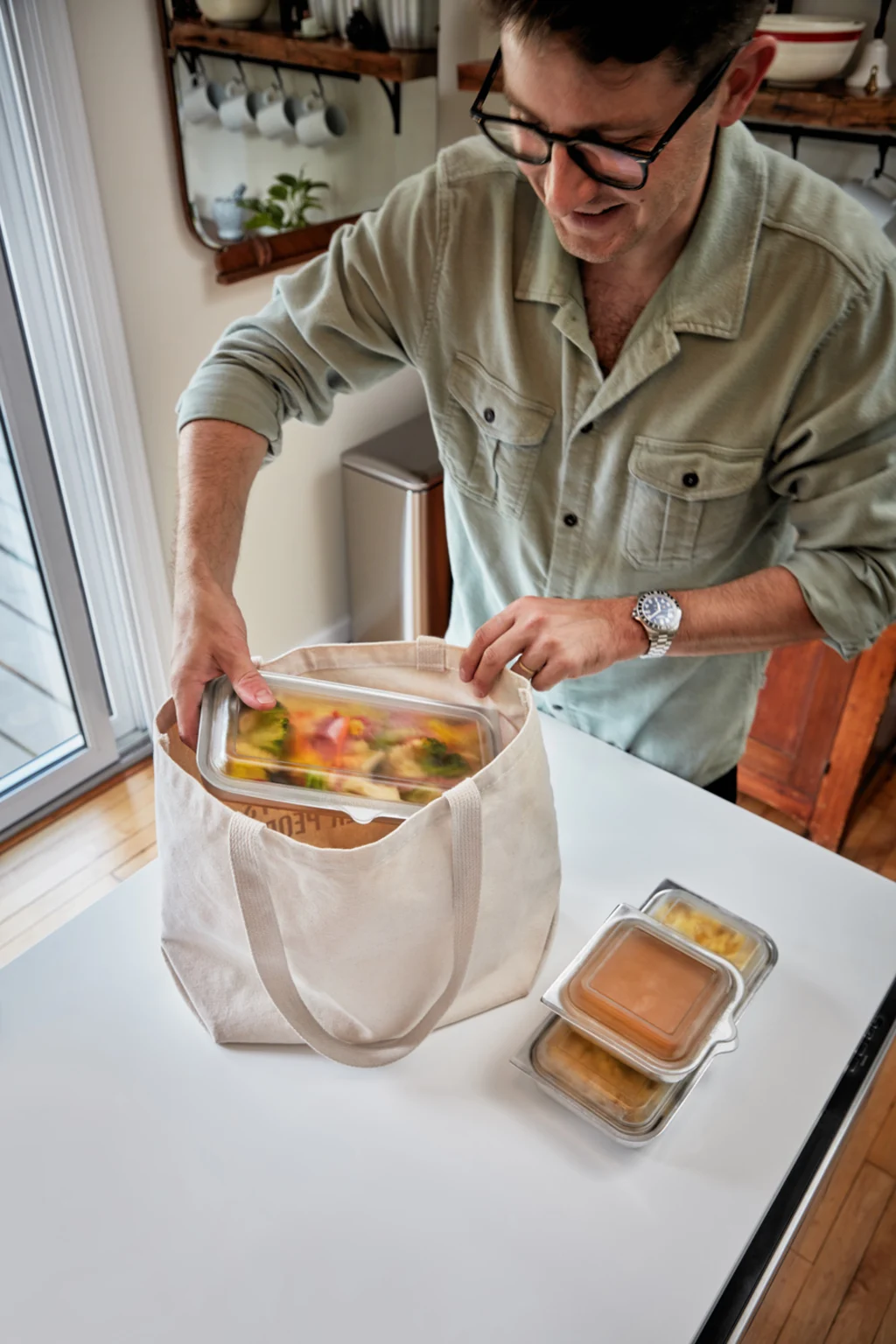
Two years of development later, he’s launching Prepwell. It’s a modular cutting board system called the Chef Station that has four different trays that can be attached to three sides of the solid wood board with magnets to hold ingredients and scraps. The set comes with silicone liners for the trays that can be thrown in the dishwasher, as well as stainless steel liners that are oven-safe for cooking.
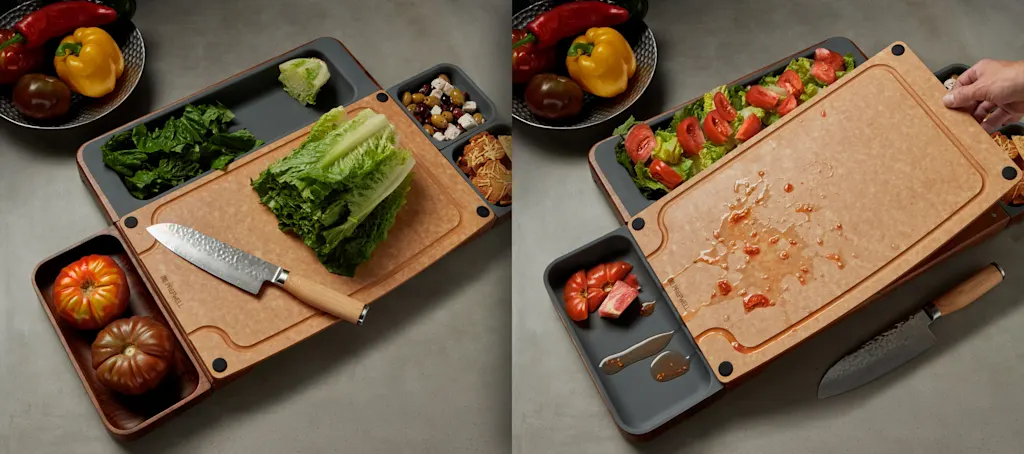
You can also buy a supplemental board that clips to the top to separate vegetables and meat. “If we could create a system that was good for cooking, serving, and storing, we could have something that people would want,” Palmer says of his thinking for the design.
There’s a catch, though. The full Prepwell system costs $545, and if you want the supplemental board or lids, that’ll cost you another $75 and $35, respectively. This makes Palmer’s product roughly 10 times more expensive than the average cutting board on the market—and significantly more than even high-end cutting boards like Boos Blocks, whose most expensive boards cost roughly $300.
When I tested the Prepwell Chef Station, I was impressed by how thoughtfully it’s designed for everyday use. The board and the trays all snap together perfectly, which allowed me to create a neat workstation. As I cut asparagus, tofu, and green onions, I slid them into separate trays. When I started cooking, I was able to throw them into the pan at the right time. The supplemental board was a game-changer for me. I’m used to doing a shuffle between meat and vegetable boards. But this system made the process seamless.
Palmer admits that his product is expensive, but he says he’s found a market for it. To fund the initial inventory, he turned to Kickstarter, launching a campaign that ran last fall. The campaign garnered 1,380 preorders, which he’s just shipped out, and the brand’s website is now up and running and ready for new customers.
Perhaps it’s not surprising that an ultra-high-end cutting board is seeing success. Americans are spending more on their kitchens than ever. The U.S. kitchenware market is forecast to grow from $20.37 billion in 2024 to $37.19 billion in 2033. Our pandemic-era obsession with upgrading domestic life never entirely subsided, and many people have kept up the cooking habits they cultivated during lockdown.
Add to that the fact that younger generations care a lot about how the products in their kitchen look, and the growth of aesthetically pleasing cookware brands like Caraway and Our Place makes sense. These trends shaped Palmer’s approach to Prepwell’s design. “If you were going to have friends over for dinner, would you leave this out, or would you want to hide it away?” he asks.
Palmer says his target customer is anyone who has ever tucked a cutting board in the pantry before guests arrived. As he’s studied the customers who have purchased his Chef Station so far, he’s found that they include design obsessives, serious home cooks willing to pay for a better system, and newly married couples investing in outfitting their first home.
A year ago, Palmer decided to focus on Prepwell in earnest. He went to his manager at GM and asked for a 12-month leave of absence to see whether he could make this business work. His manager agreed. And his training has turned out to be a big asset throughout the R&D process.
Palmer has spent his career managing factory relationships, holding suppliers to time and quality requirements, and designing for manufacturing at scale. All of this came in handy as he worked with overseas partners to go from his original handcrafted prototypes to mass production. “When you’ve gone through production,” he says, “you learn about the failure points in the system. Whatever I’m designing needs to be foolproof.”
For instance, when designing for cars, Palmer knows it makes more sense to choose specialist factories for each component, even though it’s easier and more streamlined to find a single factory that can make all of them. For Prepwell, he’s found separate factories for steel and wood. To learn about their quality-control processes he visited the factories in person.
In the past, many direct-to-consumer brands would raise venture capital to launch a product like this. But Palmer has chosen not to go that route. For anyone who observed the DTC boom of the early 2010s—the mattress, luggage, and towel startups that burned through VC cash on Facebook ads without ever turning a profit—Palmer’s approach seems like a deliberate correction. Prepwell is running paid ads on Meta, but the math is simple: Sell more than you spend, and scale from there.
A few weeks after launching Prepwell’s website, Palmer says the company is already profitable. “We’re trying to postpone a fundraise as long as possible,” he says. “Just bootstrap it as long as we can.”