

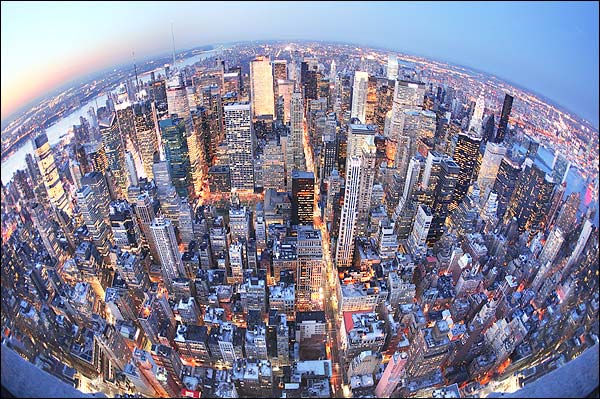
New York has always been known as the city that never sleeps. The glowing skyline is not simply decoration; it reflects commerce, tourism, finance, and the constant economic activity that built the city into a global capital. Now lawmakers are pushing the New York State Dark Skies Protection Act, which would impose strict limits on outdoor lighting across the state. The official explanation is environmental, to reduce light pollution, save energy, and protect wildlife. Yet in a city whose entire identity is built around 24/7 activity, there is clearly more behind this proposal than simply wanting to see the stars.
The legislation would require outdoor lights to be shielded so they point downward rather than upward, and would restrict lighting between roughly 11 p.m. and 5 a.m. unless specific events are taking place. Businesses and municipalities would be forced to install motion sensors or automatic shutoff systems, while parks, recreation facilities, and venues would have to reduce illumination overnight. Supporters say this will reduce wasted electricity and help the environment. Cities like New York exist precisely because they do not shut down at night. The skyline, Times Square, Broadway, and countless businesses operate around the clock because visibility attracts people and commerce. The Big Apple was once the most bustling city in the world, the ultimate point of comparison for any other city in the world. Now, politics are erasing the very culture that helped shape NYC and the rest of America for that matter. Yet another reason why blanket legislation always fails.
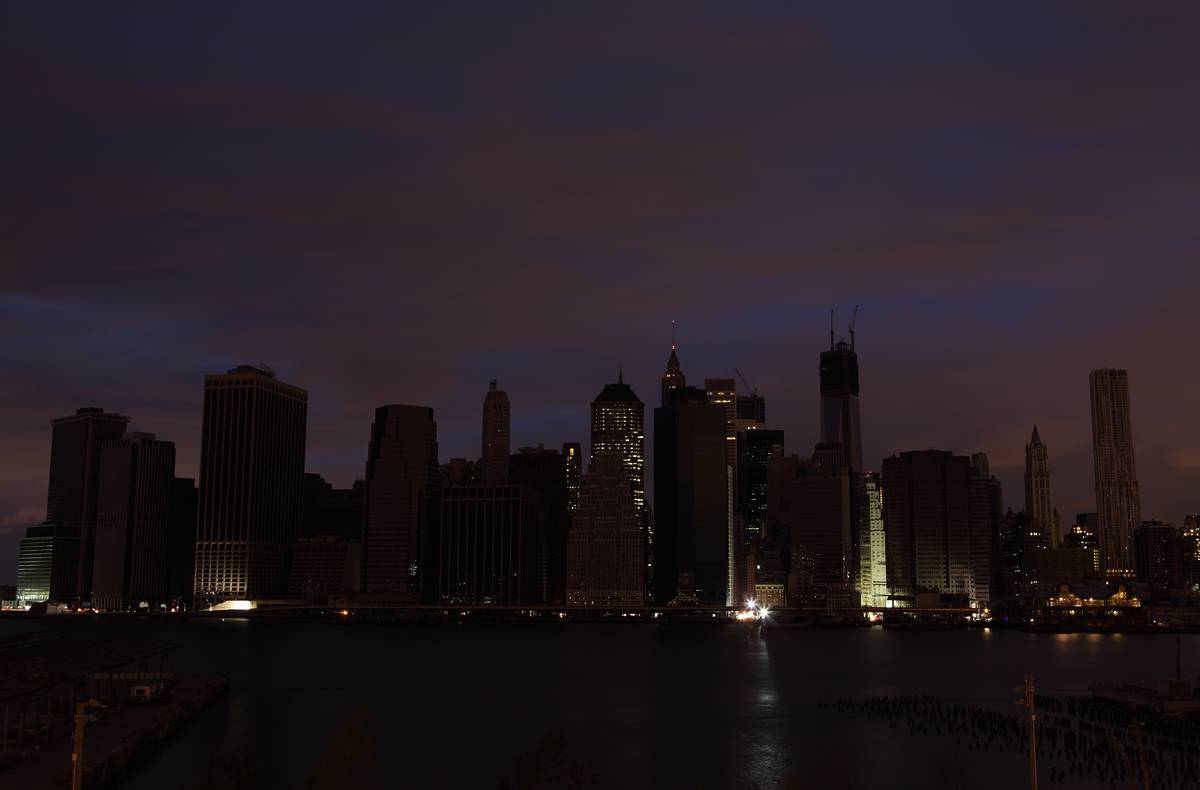
Studies estimate that roughly 30% of outdoor lighting in the United States is “wasted energy.” Governments see this as an opportunity to reduce electricity consumption and meet energy reduction targets without openly raising taxes. But forcing businesses to replace lighting systems, install sensors, and comply with new restrictions is not free. For commercial buildings, retail districts, and entertainment venues, this becomes another compliance cost. In reality, this acts like a giant indirect tax on corporations and small businesses alike, imposed through regulation rather than legislation.
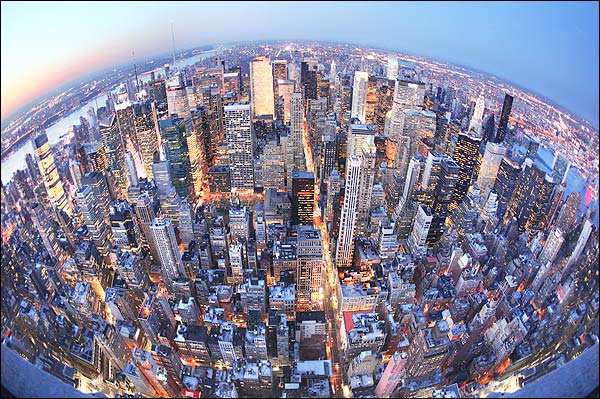
The economic implications go further. Tourism, nightlife, restaurants, theaters, and advertising depend on lighting to create an atmosphere that keeps people on the streets. Limiting illumination reduces the visual energy that attracts visitors and investment. New York’s nighttime economy generates billions of dollars annually, yet policymakers seem willing to chip away at the very infrastructure that supports it. The left-leaning voters in the city are also overriding votes from the rest of the state.
This is part of a broader cultural shift that is dismantling what made New York famous in the first place. Businesses that built the city are being pushed out by rising costs and regulations, while the nightlife culture known worldwide is steadily being suffocated. This is clearly cultural assassination, erasing the very identity that made New York thrive. The city that once proudly stood as a symbol of Western commerce and cultural confidence is being transformed. What is their end goal? What will New York City look like when the cost of business is no longer feasible, and capital continues to flee?
The irony is that policymakers often treat these measures as harmless environmental policies. Yet historically, when governments begin regulating the very elements that define economic vitality, whether lighting, nightlife, or advertising, it signals deeper economic stress. Energy costs are rising, infrastructure is under pressure, and governments are looking for ways to reduce consumption. Turning off the lights in the city that never sleeps may be sold as environmental protection, but economically, it reflects a far larger issue: how governments increasingly shift costs onto the private sector while claiming to save the planet.