

The town halls didn’t work. The twelve month wellness program didn’t work. The pricey motivational speaker definitely didn’t work. Your team looks busy, but is still very, very stuck.
What looks like apathy is almost never laziness. What looks like resistance is rarely defiance. What you’re actually seeing is a nervous system in threat mode because change fatigue is fear fatigue. The fact is, the human brain just isn’t wired to fully distinguish between a physical threat and an organizational one. According to Gallup’s 2025 State of the Global Workplace report, half of employees in the U.S. and Canada reported significant daily stress, which is higher than all other global regions surveyed.
That’s not a motivation problem. That’s a nervous system crisis happening at scale.
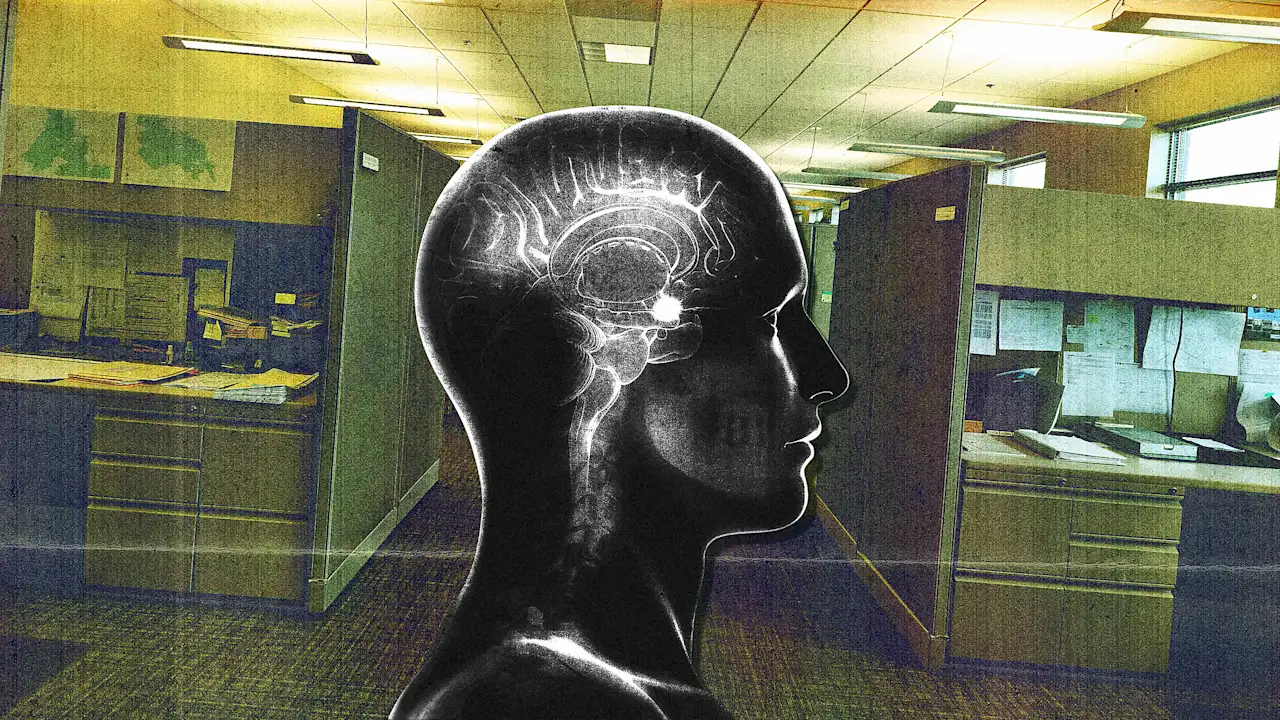
Our amygdala, the brain’s fear center, doesn’t have the ability to differentiate between the danger of a rampaging rhinoceros and a reorg. It sees experiences as either safe or deadly. Once in threat mode, attention narrows, the prefrontal cortex (the brain’s center of creative solutions and collaboration) shuts down, and self protection protocols are engaged.
The pattern
Here’s the pattern I see in nearly every organization navigating significant change:
1. A trigger hits. This could be anything from new leadership, a reorg, constantly shifting priorities, or an AI rollout.
2. The nervous system activates a fear response: freeze, fawn, fight, or avoid. To a fear aroused brain, it feels safer to outwardly resist change (fight), conserve energy and wait things out (freeze), tell you what you want to hear, but refuse to execute change (fawn), or just flee altogether with quiet or outright quitting.
3. The person finds short-term relief by disengaging, delaying, or deflecting and they stop performing at their peak.
4. Over time, that protective behavior hardens into an identity story: “Why bother? Nothing I do matters here anyway.”
During times of intense uncertainty, this is a completely normal response for the human brain, but it doesn’t have to hinder success; teams just need better tools to navigate periods of rapid change. Here are a few of my favorite neurohacks that have proven especially impactful with enterprise technology teams in my workshops, helping them decrease fear (aka stress) in seconds, not weeks.
Pinch the Valley
Using the thumb and forefinger of your right hand, pinch the meaty area of your left hand where your other thumb and forefinger meet. Then massage for thirty seconds. This activates the vagus nerve, downshifting the stress response almost immediately. The best part? Nobody in the room knows you’re doing it. Simple, but powerful.
The Near & The Far
Hold a pen or your finger about six inches from your face and focus on it. Slowly move it out to arm’s length, keeping your eyes locked on it as your focus shifts. Then bring it back in until it touches your nose. Repeat two or three times. When your visual system shifts between near and far focus, it signals your nervous system to downregulate, and I use this one constantly before every keynote.
Bravery Bites
This one surprises people: your brain stops feeling fear while you’re eating. This provides powerful, albeit temporary, relief and works best with very crunchy things. My favorites are ice, corn nuts, and frozen blueberries. Essentially, your amygdala understands that if your environment is safe enough for you to eat, it’s safe enough to return to a sense of calm.
Sour Jolt
When a fear spiral has fully taken hold, or you find yourself thinking in never-ending worry loops, pop something intensely sour into your mouth. This can be a lemon or a sour candy (bonus points if you can combine the sour and chewy from Bravery Bites). That sudden, intense taste is such an unexpected signal that your brain has to redirect attention away from the internal thought spiral and toward the sensation in your mouth. Keep a few sour candies in a mug you actually enjoy looking at on your desk, clearly visible, so it can double as a gentle reminder that you have tools at the ready when a fear spiral hits.
The most expensive mistake a leader can make right now isn’t a bad hire or a missed quarter. It’s looking at a team in threat mode and calling it a performance problem. Your people aren’t broken. Their brains are doing exactly what brains are supposed to do when the environment feels unsafe: protect. When you reduce threat and increase agency, you don’t just get compliance, you get creativity, speed, and ownership back, with the biggest shifts happening when leaders stop trying to motivate people past their fear and start helping them move through it.
Our biology won’t change. But how you lead through it can.