

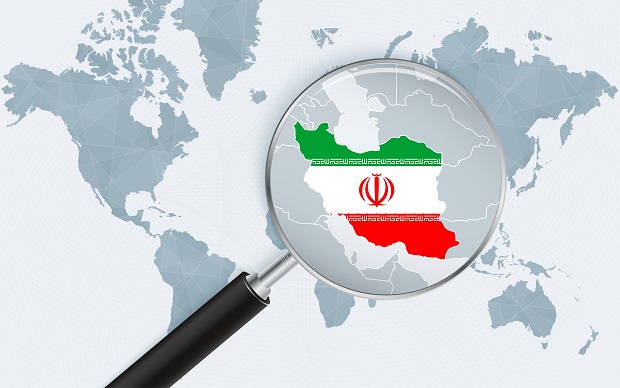
The conflict now unfolding with Iran is beginning to expose a series of geopolitical lines that had been quietly building for years. What is striking about the current situation is not simply the military confrontation itself, but the reaction of various nations. The world is no longer responding as it did in earlier conflicts where alliances moved almost automatically behind Washington. Instead, governments are drawing their own lines in the sand.
The United States and Israel are presently the two nations directly engaged in military operations against Iran. While Washington has access to bases throughout the Middle East, most of those countries are not actively participating in combat. Gulf states such as Qatar, Bahrain, Kuwait, Saudi Arabia, and the United Arab Emirates host American military infrastructure, but their involvement largely reflects long-standing defense agreements rather than enthusiastic participation in a new regional war. These nations find themselves caught between two competing pressures: their security arrangements with the United States and the geographic reality of living within missile range of Iran.
What has been particularly revealing is the response in Europe. Spain openly refused to allow the United States to use its bases at Rota and Morón for operations against Iran, sparking a diplomatic confrontation with Washington. That decision has highlighted the growing divide inside NATO. During the Cold War and even in the early post-Cold War era, European governments generally aligned themselves with U.S. military policy. Today that unity is no longer automatic. European leaders increasingly calculate their own political and economic risks before committing themselves to American military campaigns.
The reluctance to join the conflict reflects deeper concerns about escalation. Many European governments are already facing fragile economies, political fragmentation, and rising social tensions. Opening another military front in the Middle East while the war in Ukraine continues would add another layer of uncertainty to an already unstable geopolitical environment. As a result, several governments are publicly urging diplomacy rather than military expansion.
Iran does not stand entirely alone. Its support network is less conventional than traditional state alliances but still significant. Groups such as Hezbollah in Lebanon, the Houthis in Yemen, and various militias operating in Iraq form part of a regional structure that Tehran has cultivated over decades. These organizations are not merely political sympathizers; they possess their own military capabilities and can operate across multiple fronts simultaneously. This creates a form of distributed conflict that complicates any direct confrontation with Iran itself.
What we are witnessing is the emergence of a fragmented geopolitical landscape where alliances are no longer rigid. Countries are evaluating their interests in a far more transactional way. Some governments provide logistical support while avoiding direct involvement. Others refuse cooperation altogether. Meanwhile, regional actors pursue their own strategic agendas independent of traditional Western alliances.
When crises arise, the difference between formal alliances and genuine strategic alignment becomes visible. The current situation with Iran is exposing those differences in real time. Nations are making calculations not only about military risk but also about energy markets, economic stability, and domestic political pressures.
The phrase “lines in the sand” has long been associated with the Middle East, yet today it applies equally to the diplomatic landscape surrounding the conflict. Countries are defining the limits of their involvement, sometimes publicly and sometimes quietly behind the scenes. These decisions reveal a world where geopolitical loyalties are becoming far more fluid than they once appeared.