

A key measure of inflation fell to nearly a five-year low last month as apartment rental price growth slowed and gas prices fell, offering some relief to Americans grappling with the sharp cost increases of the past five years.
Inflation dropped to 2.4% in January compared with a year earlier, down from 2.7% in December and not too far from the Federal Reserve’s 2% target. Core prices, which exclude the volatile food and energy categories, rose just 2.5% in January from a year ago, down from 2.6% the previous month and the smallest increase since March 2021.
Friday’s report suggests inflation is cooling, but the cost of food, gas, and apartment rents have soared after the pandemic, with consumer prices still about 25% higher than they were five years ago. The increase in such a broad range of costs has kept “affordability,” a topic that helped shape the most recent U.S. presidential election, front and center as a dominant political issue.
And on a monthly basis, consumer prices rose 0.2% in January from December, while core prices rose 0.3%. Core inflation was held down by a sharp drop in the price of used cars, which fell 1.8% just in January from December.
“Inflation continues to decelerate and is not threatening to move back up, and that will enable more rate cuts by the Fed,” said Luke Tilley, chief economist at Wilmington Trust.
There were signs in the report that retailers are passing on more of the costs of President Donald Trump’s tariffs to consumers for goods such as furniture, appliances, and clothes. But those increases were offset by falling prices elsewhere. In other areas, Trump has delayed, scrapped, or provided exemptions to his duties.
Furniture prices jumped 0.7% in January from the previous month and are up 4% from a year ago. Appliances rose 1.3% in January though are only slightly more expensive than a year earlier. Clothing price rose 0.3% in January from December and have increased 1.7% in the past year.
Some services prices also rose: Airline fares soared 6.5% just in January, after a 3.8% jump in November, though they rose only 2.2% from a year earlier. Music streaming subscriptions increased 4.5% in January and are 7.8% higher than a year ago.
Yet those increases were largely offset by price declines, or much slower price growth, in other areas, including many that make up a greater share of Americans’ spending.
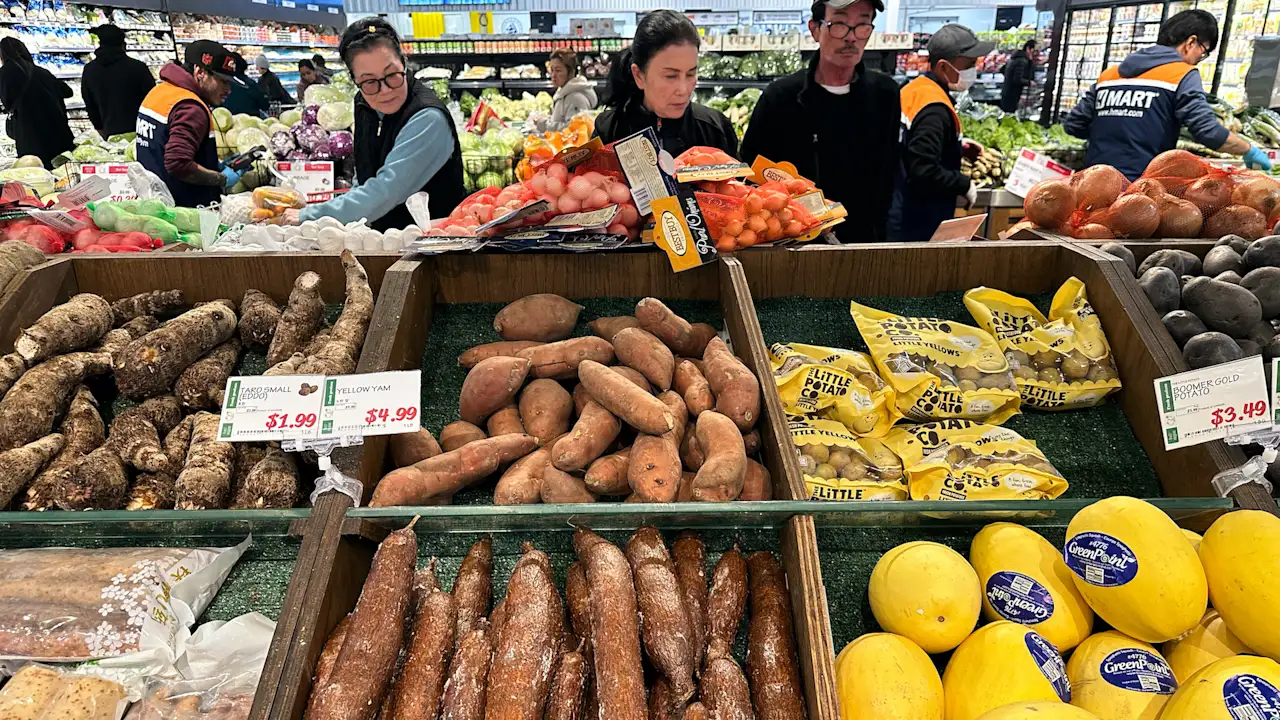
The cost of used cars, for example, plunged 1.8% in January, the biggest decline in two years. Gas prices fell 3.2% last month, the third drop in the past four months, and are down 7.5% from a year earlier. Grocery prices rose just 0.2% in January, after a big 0.6% rise in December, and are up 2.1% from a year ago. Hotel prices ticked down 0.1% in January and have fallen 2% from last year.
Rental prices and the cost of owning a home, which make up a third of the inflation index, both rose just 0.2% in December, while rents increased only 2.8% from a year earlier. That is much lower than during the pandemic: Rents rose by more than 8% in 2022.
The tariffs have increased some costs and many economists forecast companies will pass through more of those increases to consumers in the coming months. A study released Thursday by the Federal Reserve Bank of New York found that U.S. companies and consumers are paying nearly 90% of the tariffs’ costs, echoing similar findings in studies by Harvard and other economists.
Yet the increases haven’t been as broad-based as many economists feared.
Tilley said that the higher tariffs have pulled some consumer spending away from other services, which has forced companies to keep those prices a bit lower as a result.
“We don’t think consumers are in a place to take on price increases across the board, so you’re not seeing those price increses,” he said. Hiring was particularly weak last year, slowing wage growth, and many Americans remain gloomy about the economy.
Some economists note that the rental figures were distorted by October’s six-week government shutdown, which interrupted the Labor Department’s gathering of the data. The government plugged in estimated figures for October which economists say have artificially lowered some of the housing costs.
Companies are still grappling with the higher costs from Trump’s duties, though some have benefited from tariffs being delayed or scrapped.
Arin Schultz, chief growth officer at Naturepedic, which makes organic mattresses in Cleveland, breathed a sigh of relief when Trump postponed import duties on upholstered furniture until 2027. They would have substantially pushed up the cost of the headboards the company imports.
Schultz welcomed the decision to lower tariffs on imports from India to 18%, from 50%. Naturepedic sources a lot of the cotton fabrics and bedding that it sells from India. When that reduction kicks in, he said, the company could even cut some prices.
Still, Naturepedic’s costs jumped because of duties on imports from Vietnam and Malaysia, where it sources its organic latex, which can’t be grown in the United States. Naturepedic makes its mattresses in the United States at a factory in Cleveland and employs about 200 workers.
“We’re paying more now for that,” he said, and the company raised its prices about 7% last year as a result. “Tariffs are awful. We are less profitable now as a company because of tariffs.”
If inflation gets closer to the Federal Reserve’s target of 2%, it could allow the central bank to cut its key short-term interest rate further this year, as Trump has repeatedly demanded. High borrowing costs for things like mortgages and auto loans have also contributed to a perception that many big-ticket items remain out of reach for many Americans.
Inflation surged to 9.1% in 2022 as consumer spending soared as supply chains snarled after the pandemic. It began to fall in 2023 but leveled off around 3% in mid-2024 and remained elevated last year.
At the same time, measures of wage growth have declined as hiring has cratered. With companies reluctant to add jobs, workers don’t have as much leverage to demand raises.
—Christopher Rugaber, AP economics writer