

Shiona McCallumSenior technology reporter
 BBC
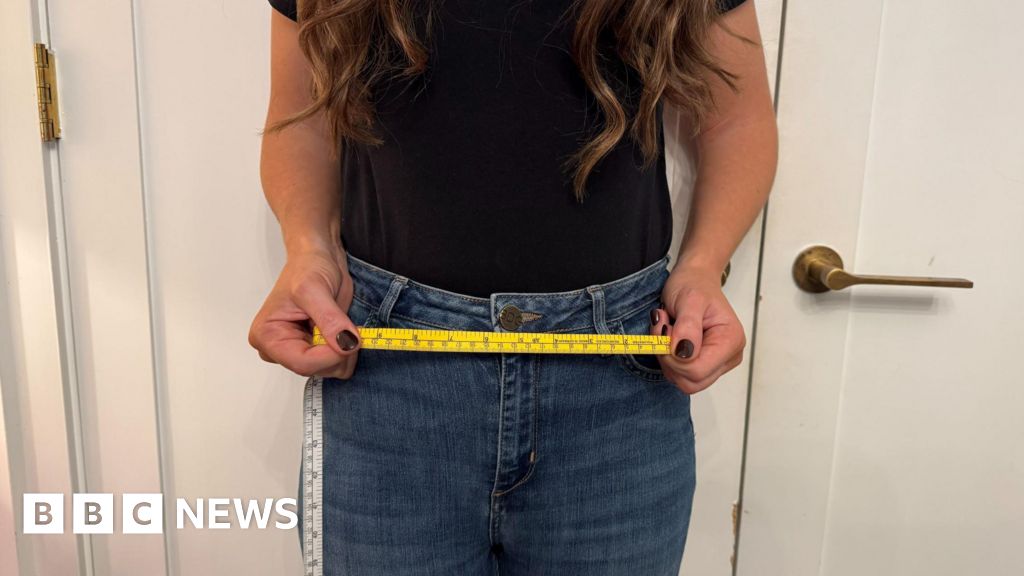
BBCMost women will relate to the misery of inconsistent sizing in high-street shops.
A pair of jeans could easily be a size 10 by one brand and a size 14 in another, leaving customers confused and disheartened.
It has led to a global deluge of returns, costing fashion retailers an estimated £190bn a year as would-be shoppers wonder what size they’re meant to buy from which store.
I didn’t have to look far to find people experiencing the problem.
“I don’t trust high-street sizing,” one person tells me, as she browses one of London’s popular shopping streets. “To be honest, I buy by how it looks rather than the actual size.”
She’s one of many women who often orders multiple versions of the same item to find one that fits, before sending the rest back, fuelling a culture of mass returns.
A new generation of sizing tech
A growing cluster of tech companies are now attempting to fix the problem.
Tools such as 3DLook, True Fit and EasySize focus on helping customers choose the right size at checkout, using body scans via smartphone photos to suggest the most accurate fit.
Meanwhile, virtual fitting-room platforms including Google’s virtual try-on, Doji, Alta, Novus, DRESSX Agent and WEARFITS allow shoppers to create digital avatars and preview how items might look. These systems aim to increase confidence when buying online.
More recently, AI-powered shopping agents have begun entering the market too. Daydream, allows users to describe what they are looking for and then recommends options.
OneOff pulls together looks from celebrities to find similar items, while Phia scans tens of thousands of websites to compare prices and surface early “size insights.”
While these tools work at the e-commerce stage, a new UK start-up, Fit Collective, is taking a different approach: trying to prevent the problem earlier in the production process.
Founder Phoebe Gormley argues AI can potentially fix the sizing before clothes reach the stores.
The 31-year-old – who is no data scientist, rather a tailor – previously launched Savile Row’s first female tailors, making made-to-measure garments for a range of women.
“They would all come in and say, ‘high-street sizing is so bad’,” she tells me.
She says fashion’s current model is a “downward spiral” where brands make cheaper garments to offset huge return rates, which leads to unhappy customers and more waste.
Since launching last year, Fit Collective has raised £3 million in pre-seed funding, reportedly the largest amount ever secured by a solo female founder in the UK.
“As far as we know, we are the first solution comparing all the manufacturing data and the commercial data,” she says.
Phoebe’s new venture uses machine learning to analyse a range of data – including returns, sales figures and customer emails – to really understand why something didn’t fit.
It then turns this into clear advice for design and production teams, who can adjust patterns, sizing and materials before manufacturing begins.
Her system may tell a firm, for example, to take a few centimetres off the length of an item of clothing to reduce the number of returns overall. This saves money for the company and time for the consumer.


While many in the industry welcome such tools, some warn technology alone won’t fix fashion’s sizing problem.
“People aren’t mannequins, they’re unique, and so are their fit preferences,” says Paul Alger, Director of International Business at the UK Fashion and Textile Association.
He warns sizing can be nuanced, with body measurements rarely aligning with a number on a label.
“It’s very difficult, it’s very subjective,” he says.
“Most of us are a different shape and size – around the world people have different body shapes.”
And then there’s the issue of vanity sizing – or “emotional sizing” according to Mr Alger – where a brand will deliberately choose to create a more generous fit in the knowledge that a consumer, especially in women’s wear, will prefer to shop there.
“Once these sizing norms are established in a collection, brands will usually refer back to them each season so they are effectively creating their own brand sizing,” he says.
Sophie De Salis, sustainability policy adviser at the British Retail Consortium, says retailers are increasingly aware of the issue, from a cost-saving and sustainability perspective.
“Smarter sizing tech and AI-driven solutions are key to reducing returns and supporting the industry’s sustainability goals. BRC members are working with innovative tech providers to help their customers buy the most suitable size and reduce returns,” she says.
With returns now a board room issue and sustainability pressures mounting, more fashion houses may well consider data-driven design.
While no single solution is likely to solve inconsistent sizing completely, the emergence of tools like Fit Collective, alongside a growing ecosystem of virtual try-ons and size-prediction platforms, suggests the industry is beginning to shift.
